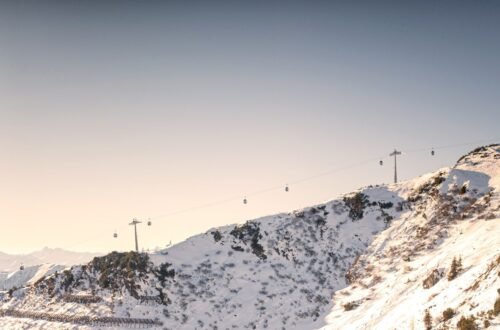
Did you know that Killington Resort often keeps its lifts spinning into May, earning its reputation as the “Beast of the East”? This remarkable feat isn’t just a gift from Mother Nature; it’s the result of a finely tuned science, a mastery of snowmaking, and a deep understanding of mountain weather. But for the everyday skier, the real question is, how do you use that information to find the best snow on any given day?
Too many skiers have felt the sting of disappointment. You read a report that says “12 inches of base,” only to arrive and find yourself chattering over boilerplate ice. The numbers alone don’t tell the whole story. This guide will change that. We’re going beyond the raw data to teach you how to decode the Killington snow report, turning you into a mountain strategist who can scout out the best trails and have an unbeatable day on the slopes.
How to Read the Killington Snow Report Like a Pro
To truly understand what’s happening on the mountain, you need to look beyond the headline number of new snow. The Killington snow report is packed with details that, once understood, can transform your ski day. It’s the difference between blindly following the crowds and strategically seeking out hidden stashes of perfect corduroy or untouched powder.
First, let’s break down the key terms. Base depth isn’t about the fresh stuff; it’s the compacted foundation of snow on a trail, built up over weeks and months. A deep base, say 30 inches or more, means excellent coverage over natural obstacles and a season that can withstand thaws. New snow, on the other hand, is the fresh powder that fell in the last 24 hours. This is the number that gets skiers excited, but its quality is determined by the surface condition it falls on.
This brings us to surface conditions, the most critical part of the report. These terms describe what your skis will actually feel. “Packed Powder” is the dream—light, fluffy snow that has been groomed or skied into a soft, forgiving surface. “Machine Groomed” indicates that the snowcats have been out, laying down those perfect corduroy tracks ideal for carving. But a term like “Frozen Granular” is a warning; it signals a hard, icy surface that requires sharp edges and precise control. Understanding these nuances is the first step to mastering the mountain.
| Term | What It Means | How It Affects Your Skiing |
|---|---|---|
| Base Depth | The total depth of compressed snow on the trails. | Indicates overall coverage and season longevity. A deeper base means fewer rocks and a more resilient surface. |
| Packed Powder | New snow that has been groomed or skied on. | The ideal, forgiving surface for most skiers. It’s soft, easy to turn on, and offers good grip. |
| Machine Groomed | Snow that has been processed by grooming machines overnight. | Creates smooth, corduroy-like surfaces. Perfect for high-speed carving and predictable turns. |
| Frozen Granular | A surface of small, icy pellets, often from a freeze-thaw cycle. | Demands sharp edges and confident technique. It can be fast and loud underfoot. |
| Loose Granular | A step up from frozen granular, where the pellets are looser. | Often found on sunny spring days. It can be fun and surfy but also heavy and challenging. |
| Wet Packed Snow | Saturated snow that is heavy and dense. | Can be slow and sticky, requiring more effort to turn. Common in warmer weather. |
Today’s Live Killington Conditions & 10-Day Forecast
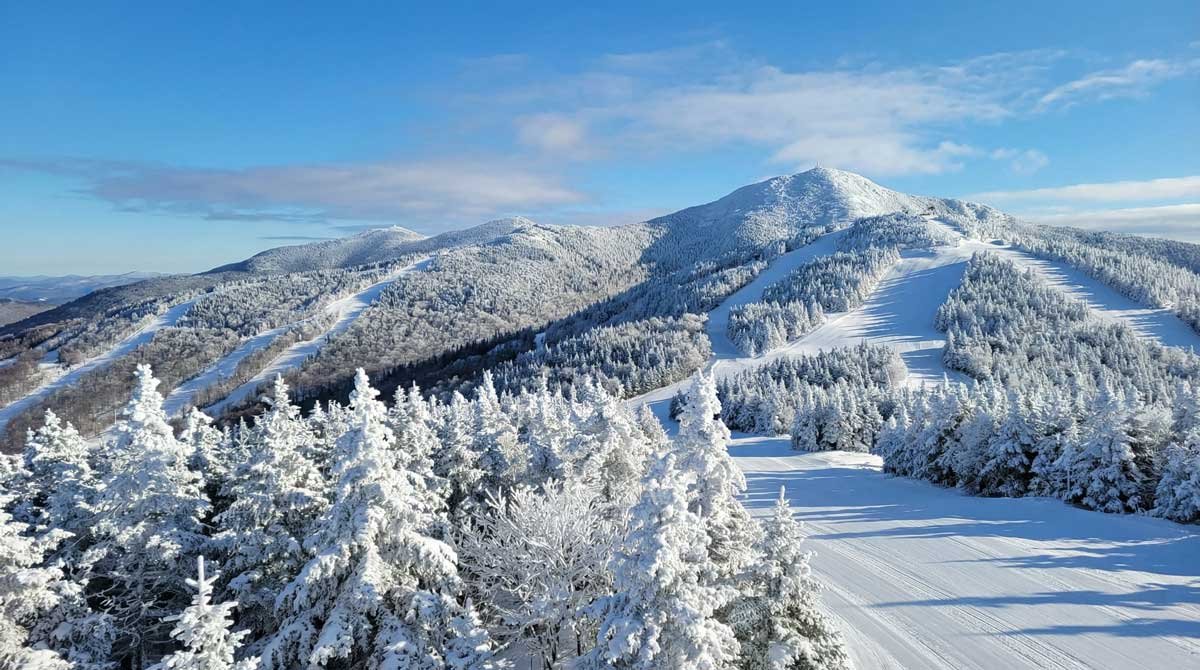
Now that you know how to interpret the data, let’s look at the current picture at Killington. The mountain is in great mid-winter form, with a solid base and consistent temperatures keeping the snow in excellent shape. Recent snowfall has refreshed the surfaces, and the grooming team has been working their magic overnight to lay down fresh corduroy across the six peaks.
Remember, conditions can change in a heartbeat in the Green Mountains. For the absolute latest, up-to-the-minute information, always check the official Killington Resort website. In the meantime, here’s a snapshot of what you can expect today, along with a look at the week ahead.
| Metric | Today’s Report (Jan 05, 2026) |
|---|---|
| Base Depth | 12-14″ |
| 24-Hour Snowfall | 1″ |
| Lifts Open | 12/20 |
| Trails Open | 124/155 |
| Primary Surface | Hard Pack |
Looking ahead, the forecast is promising for those in search of fresh snow. A significant system is expected to move through mid-week, potentially delivering a substantial powder day. This is the perfect time to keep an eye on the forecast and plan a strategic trip.
| Day | Forecast | Expected Snow |
|---|---|---|
| Tuesday | Light Snow Showers | 1-3″ |
| Wednesday | Heavy Snow | 5-8″ |
| Thursday | Partly Cloudy, Colder | 0″ |
| Friday | Sunny | 0″ |
| Saturday | Chance of Snow | 1-2″ |
Best Terrain to Ski Based on the Snow Report
A great snow report is useless if you don’t know where to go. Killington is massive, with 1,526 acres of skiable terrain spread across six interconnected peaks. Knowing how to match the day’s conditions to the right part of the mountain is the secret to unlocking an epic ski day.
Let’s turn your data into a game plan. Depending on what the snow report says, here is where you’ll find the best runs.
When the Report Calls for a Powder Day (6″+ of New Snow):
This is the day you’ve been waiting for. Forget the main groomers and head for the trees. The glades off Snowdon Mountain, like Tin Man and The Throne, will be holding deep, untouched powder. For wide-open bowls, make your way to the expert terrain in The Canyon, where runs like Ovation and Double Dipper become steep, soft playgrounds. For a less-crowded experience, explore the terrain off the Bear Mountain quad, which often holds fresh snow longer.
When It’s a Groomer Day (Machine Groomed / Packed Powder):
This is your chance to fly. When the report says “Machine Groomed,” it means the snowcats have laid down perfect corduroy. Point your skis down classic top-to-bottom cruisers for some high-speed carving. Start your day on Superstar for a leg-burning warm-up. Then, head over to Skyelark and Great Northern for some of the most scenic and satisfying cruising on the mountain. These long, winding trails are perfect for laying down wide, arching turns.
When Conditions are Firm (Hard Pack / Frozen Granular):
Don’t let these terms scare you off; a firm day can be fantastic with the right strategy. Your edges need to be sharp. Start on trails that get early morning sun, as they will soften up first. The runs off the Snowdon Quad and Ramshead Express are great morning options. Also, pay attention to where the snowmaking guns have been active. Freshly made snow, even when groomed, provides a much more consistent and grippy surface on firm days.
Killington’s Snowfall Secrets: A Month-by-Month Guide
Killington didn’t earn the nickname “The Beast of the East” by accident. Its reputation is built on a relentless commitment to offering the longest ski season in the eastern United States, often stretching from October into May. This longevity is a combination of high elevation, favorable storm tracks, and, most importantly, the most powerful snowmaking system on the continent. Understanding the mountain’s seasonal patterns will help you plan your trip for the exact experience you’re looking for.
While every season is different, Killington’s weather follows a general pattern. Early season is a race to build bases, mid-winter brings the powder, and spring delivers the party. Here’s a breakdown of what to expect throughout the season, helping you align your visit with your ideal snow conditions.
| Month | Average Snowfall | Typical Conditions | Best For… |
|---|---|---|---|
| Nov-Dec | 40-50″ | Early season excitement, snowmaking-heavy, with limited but expanding terrain. | Eager skiers getting their ski legs back, and holiday vacationers. |
| Jan-Feb | 80-100″ | The heart of winter. Coldest temperatures, the highest probability of major snowstorms, and peak conditions across all six mountains. | Powder hounds, peak condition seekers, and those wanting the full Killington experience. |
| Mar-Apr | 50-60″ | The spring skiing sweet spot. A mix of powder days and sunny, soft bump conditions. The base is at its deepest. | Soft mogul skiing, après-ski on the deck, and goggle tans. |
| May | 5-10″ | The victory lap. Skiing is typically confined to the Superstar Glacier, a deep ribbon of man-made snow. | Die-hard skiers, earning your turns, and celebrating the end of a long season. |
Frequently Asked Questions (FAQ)
- 1. How much snow does Killington get a year?
- Killington receives an average of 176 to 240 inches of natural snowfall annually. However, this number is supercharged by its world-class snowmaking system, which ensures reliable conditions throughout its famously long season.
- 2. Does Killington have the most snow in Vermont?
- While Killington gets impressive snowfall, Jay Peak Resort in northern Vermont typically holds the title for the most natural snow in the state, often exceeding 350 inches. Stowe Mountain Resort also receives slightly more natural snow on average. Killington’s advantage lies in its snowmaking and terrain size, not purely natural snowfall.
- 3. What makes Killington’s snow conditions so reliable?
- Reliability at Killington comes from a three-pronged approach: high elevation, favorable geography for catching storms, and most importantly, the largest and most advanced snowmaking system in North America. This allows the resort to open earlier, close later, and recover from thaws much faster than its competitors.
- 4. When is the best time to ski at Killington for the best snow?
- For the highest probability of deep, natural powder and cold temperatures, January and February are the peak months. For a mix of potential powder days and softer, sunny spring conditions, March is fantastic. For the novelty of skiing late in the season, April and May are unique experiences.
- 5. How does Killington’s snow compare to Stowe or Jay Peak?
- It’s a matter of preference. Jay Peak offers the most abundant natural powder but is more remote. Stowe provides a classic New England experience with strong snowfall and a charming town. Killington offers the most terrain, the longest season, and the most reliable conditions thanks to its snowmaking, making it a safe bet no matter what Mother Nature delivers.
Your Guide to the Perfect Ski Day
The Killington snow report is more than just a set of numbers; it’s a roadmap to your perfect day on the mountain. By understanding the difference between base depth and surface conditions, and by matching the day’s weather to the right terrain, you can elevate your skiing experience from good to unforgettable.
You’re no longer just a spectator to the weather. You’re a strategist, equipped with the knowledge to hunt down the best powder, carve the smoothest groomers, and make the most of every single run. Now, check the latest official Killington report, apply these insights, and go find your perfect line. Have a tip of your own? Share it in the comments below!