Did you know a winter wonderland appeared in the heart of California’s summer? The rare August snowfall in the Sierra Nevada on August 24, 2024, was an event unseen for over two decades.
This isn’t just a news flash. This article goes beyond the headlines to explore the fascinating meteorology behind this “climatological anomaly.” We’ll look at the historical context, the scientific drivers, and the real-world impact of this beautiful and bizarre weather event.
Forget everything you thought you knew about California summers. Let’s journey into the high country to understand what happens when winter decides to pay a surprise visit in August.
A Summer Surprise: The 2024 Sierra Nevada Snowfall
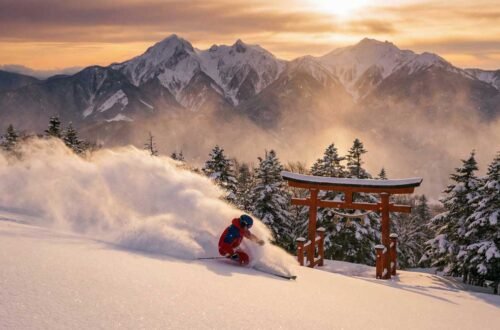
The morning of August 24, 2024, broke with a scene that felt more like a dream than reality. Across the high peaks of the Sierra Nevada, a delicate blanket of white had settled overnight, transforming the rugged, sun-baked summer landscape into an ephemeral winter wonderland. The rare August snowfall in the Sierra Nevada was a breathtaking spectacle that caught everyone from local authorities to seasoned mountaineers by surprise.
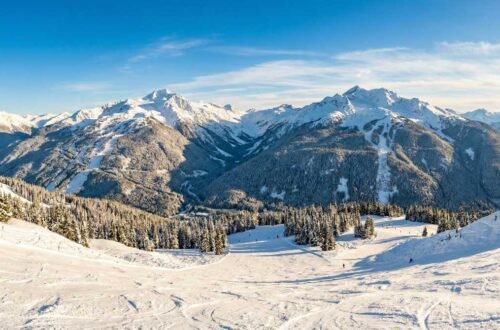
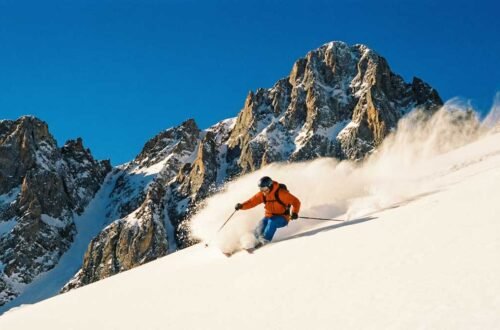
At elevations above 8,000 feet, the familiar granite and pine were suddenly adorned with a fresh dusting of powder. The view from Mammoth Mountain’s 11,053-foot summit was particularly stunning, with officials posting on social media that the morning was “chill” and sharing images of the new snow. Similar scenes unfolded at other iconic locations, including the ski runs of Palisades Tahoe and the panoramic overlook at Minaret Vista, where a Madera County Sheriff’s deputy captured some of the first viral images of the event.
While most areas received a light, picturesque dusting, some locations saw more significant accumulation. Lassen Volcanic National Park, at the northern end of the Sierra, reported up to three inches of snow, enough to prompt a temporary closure of a section of Highway 89. The event quickly became a social media sensation, with eyewitnesses sharing their disbelief and awe at the sight of snowflakes falling in the middle of summer.
The Science Behind a Summer Snowstorm
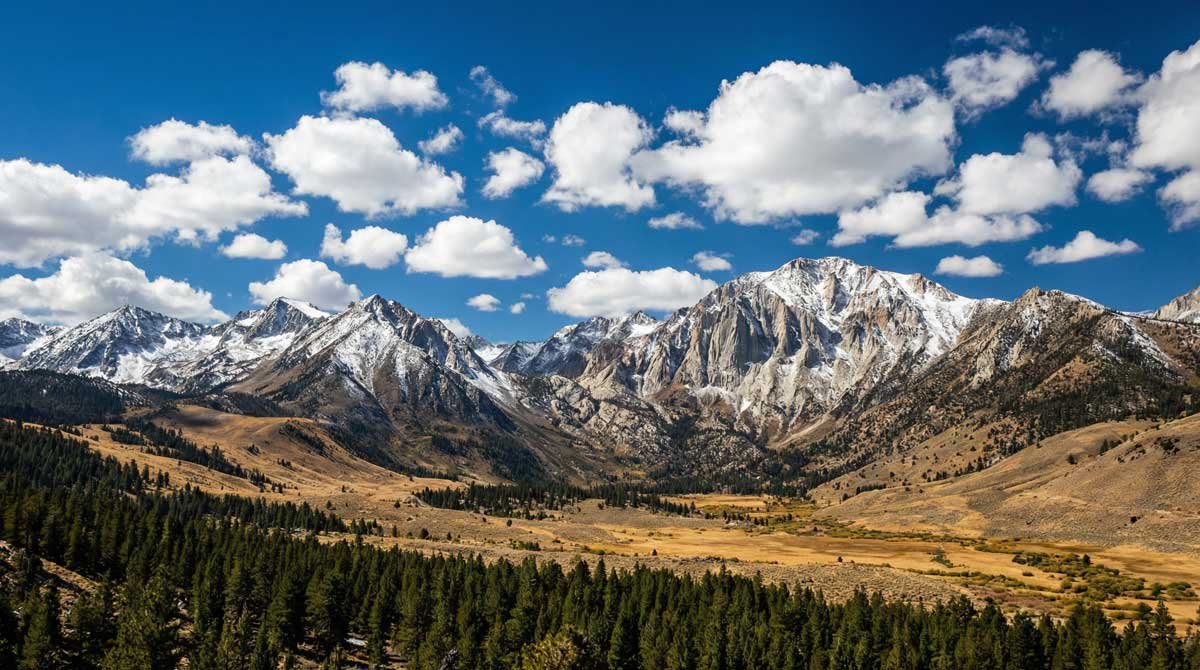
So, what conjured this wintry magic in the heart of summer? The phenomenon wasn’t an act of random caprice but the result of a fascinating and highly unusual meteorological alignment. Typically, August in California is dominated by a stubborn “high-pressure dome”—a massive bubble of warm, sinking air that acts as a fortress, deflecting storms and baking the landscape in relentless sunshine.
In late August 2024, however, a formidable challenger arrived from the north. An unseasonably potent and cold low-pressure system, originating in the Gulf of Alaska, plunged southward. This system was strong enough to breach the high-pressure fortress, dragging a wave of frigid air across the West Coast. As this cold air mass collided with the warmer, moisture-laden air over California, it forced the air to rise and cool, creating the perfect conditions for precipitation.
At lower elevations, this resulted in a smattering of rain. But in the high country of the Sierra Nevada, where ambient temperatures plummeted to at or below freezing (32°F/0°C), that precipitation transformed into snowflakes. It was a classic winter storm dynamic playing out in a summer setting, a true “climatological anomaly” as described by the National Weather Service.
| Feature | Typical August Pattern | Anomalous 2024 Pattern |
|---|---|---|
| Dominant Pressure System | High-Pressure Dome | Cold Low-Pressure Trough |
| Air Origin | Pacific High / Continental | Gulf of Alaska |
| Temperature at 10,000 ft | Well above freezing | At or below freezing (32°F/0°C) |
| Precipitation | Extremely rare | Rain (low elevations), Snow (high) |
A 20-Year Anomaly: The History of August Snowfall in the Sierra Nevada
To fully appreciate the rarity of the 2024 event, one must look back through the record books. This wasn’t just unusual; it was a once-in-a-generation occurrence. According to weather historians and National Weather Service records, the last time the Sierra Nevada experienced a comparable snowfall in August was in 2003, marking a 21-year gap between such summer snow events.
While fleeting, high-elevation flurries can occasionally happen, a widespread event that dusts multiple major peaks and deposits measurable snow is exceptionally rare. The 20-year pause underscores just how stable the typical summer weather pattern is and how much of a deviation the 2024 storm truly was. This historical context elevates the event from a mere curiosity to a significant data point for climatologists studying long-term weather patterns and potential shifts in the jet stream’s behavior.
From Wonderland to Reality: Impact on the High Country
Beyond the stunning visuals, the unexpected August snowfall had tangible, real-world consequences. The most immediate was on safety and infrastructure. In Lassen Volcanic National Park, the three inches of accumulation created slick, hazardous conditions, prompting officials to temporarily close a stretch of Highway 89 to ensure driver safety. Warnings were broadcast across the region, urging hikers, campers, and backpackers in the high country to be prepared for sudden, winter-like conditions, including high winds and dangerously cold temperatures.
The ecological impact, though subtle, is also significant. High-altitude flora and fauna operate on a delicate, sun-driven schedule. An out-of-season freeze and snow cover can disrupt plant life cycles and stress animal populations that are not adapted for such conditions in late summer. While the snow was short-lived, its occurrence is a reminder of the fragile nature of these high-elevation ecosystems.
On the economic front, the snow created a wave of excitement for California’s ski industry. Resorts like Mammoth Mountain and Palisades Tahoe, which thrive on snow, received a priceless marketing boost, sparking conversations about the upcoming ski season and reminding millions of the winter joys to come.
FAQ: Your August Snow Questions Answered
- 1. Why is August snow in the Sierra Nevada so rare?
- August is typically the warmest and driest month in the Sierra Nevada, protected by a strong high-pressure system. A snow event requires a rare, powerful, and cold low-pressure system to travel unusually far south, which is a significant deviation from normal weather patterns.
- 2. When was the last time it snowed in August in the Sierra Nevada before 2024?
- The last widely acknowledged August snowfall event in the Sierra Nevada occurred in 2003, making the 2024 snowfall the first of its kind in 21 years.
- 3. How much snow actually fell during the 2024 event?
- Most high-elevation areas received a light dusting of less than an inch. However, Lassen Volcanic National Park reported the highest accumulation with up to three inches of snow.
- 4. Is this rare snowfall related to climate change?
- While a single weather event cannot be directly attributed to climate change, it is consistent with predictions of more extreme and unpredictable weather patterns. Some scientists argue that a warming Arctic could lead to a wavier, less stable jet stream, making such anomalous cold snaps more common in the future. However, more research is needed to draw a definitive link.
- 5. What’s the difference between summer snow and the regular winter snowpack?
- Summer snow, like this August event, is typically light, melts quickly, and does not contribute significantly to the overall water supply. The winter snowpack, in contrast, is the deep, dense accumulation of snow over many months that is crucial for California’s water resources, melting slowly in the spring and summer to replenish reservoirs.
Conclusion: A Mountain’s Timeless Schedule
The August 2024 snowfall in the Sierra Nevada was more than just a beautiful photo opportunity. It was a powerful and humbling display of nature’s capacity for surprise, a meteorological outlier driven by a specific and rare confluence of atmospheric conditions. The event provided a fascinating case study in weather dynamics and a stark reminder of the forces at play in our planet’s climate system.
It serves as a humbling reminder that even in our data-driven world, the mountains still operate on their own timeless, wild schedule. The fleeting winter wonderland of August will be remembered as a moment when the Sierra Nevada asserted its untamable spirit, leaving us with a sense of wonder and a renewed respect for the wildness of the high country.
Have you ever witnessed a weather event that took your breath away? Share your story in the comments below!