Is it just me, or does your screen time on weather apps triple around late August? You start seeing those overnight lows in the high country dip into the 40s. A little thrill runs through you. It’s coming.
That obsessive search for the first sign of winter is a ritual for every skier and snowboarder. You’re not just looking for cold weather; you’re looking for the first flakes that signal the start of another epic season. So, let’s get right to it.
When does the first snowfall hit Colorado? The quick answer is that the Front Range cities like Denver and Boulder typically see their first dustings in mid-to-late October, while the high-elevation mountain resorts can get snow as early as late September. But as any seasoned Colorado skier knows, the “quick answer” is never the full story. This guide will break down everything you need to know, from historical data and regional variations to when the ski resorts actually open and how you can plan the perfect early-season trip.
Quick Answer Summary: Colorado’s First Snowfall
For those who just want the fast facts, here’s the breakdown of when you can expect the first snow in Colorado. High mountain ski areas typically see their first flakes in late September to early October. The Front Range cities, including Denver and Boulder, average their first snowfall around mid-to-late October, specifically October 18th for Denver. The Eastern Plains see snow later, usually in November.
The earliest recorded significant snow in Denver was a surprising 4.2 inches that fell on September 3, 1961. It’s important to note that first snow doesn’t mean ski resorts are open. Resorts with strong snowmaking capabilities like Arapahoe Basin and Loveland often open in late October, with most others following in early to mid-November.
Understanding Colorado’s First Snowfall Patterns
In Colorado, the question of the first snow isn’t just about a date on the calendar. It’s a complex dance between elevation, geography, and ever-shifting weather patterns. Understanding these factors is key to predicting when you can start waxing your skis.
Elevation is Everything
Let’s be clear: elevation is the single most important factor. The higher you go, the earlier the snow flies. It’s a simple rule that has dramatic effects across the state. A ski resort at 11,000 feet will almost always see snow weeks, if not months, before Denver at 5,280 feet.
This is why you’ll see social media buzz about a dusting on the peaks in late August or early September, while folks on the Front Range are still wearing shorts. For example, the median first snow date for Climax, a high-elevation location in Lake County, is September 20th. Compare that to Gateway in Mesa County, a low-elevation spot, where the median is a full two months later on November 25th.
Geographic Variations: A State of Contrasts
Colorado’s diverse geography creates distinct microclimates. The mountains of the Continental Divide act as a massive barrier, catching moisture from passing storms and converting it to snow at high altitudes. This is why resorts along the I-70 corridor and in Summit County are so reliable for snow.
Meanwhile, the Front Range urban corridor lies in the rain shadow of the mountains. It gets its snow from different weather setups, often powerful cold fronts that sweep down from the north. The Eastern Plains, being flatter and lower, see even less snow and get it later in the season.
| Elevation Zone | Typical First Snowfall | Example Locations |
|---|---|---|
| 11,000+ ft | Late Aug – Late Sept | Climax, High Mountain Peaks |
| 9,000 – 11,000 ft | Late Sept – Early Oct | Breckenridge, Winter Park |
| 6,000 – 8,000 ft | Early – Mid Oct | Estes Park, Aspen |
| 5,000 – 6,000 ft | Mid – Late Oct | Denver, Boulder, Fort Collins |
| Below 5,000 ft | November | Grand Junction, Eastern Plains |
The Wildcard: Historical Variability
While averages provide a good baseline, Colorado’s weather is famously unpredictable. The historical range for first snow is massive. In Fort Collins, the first snow has occurred as early as September 8th (in 2020) and as late as December 13th (in 1965). That’s a three-month window! This variability is what keeps skiers on their toes and makes that first real snowstorm feel so special.
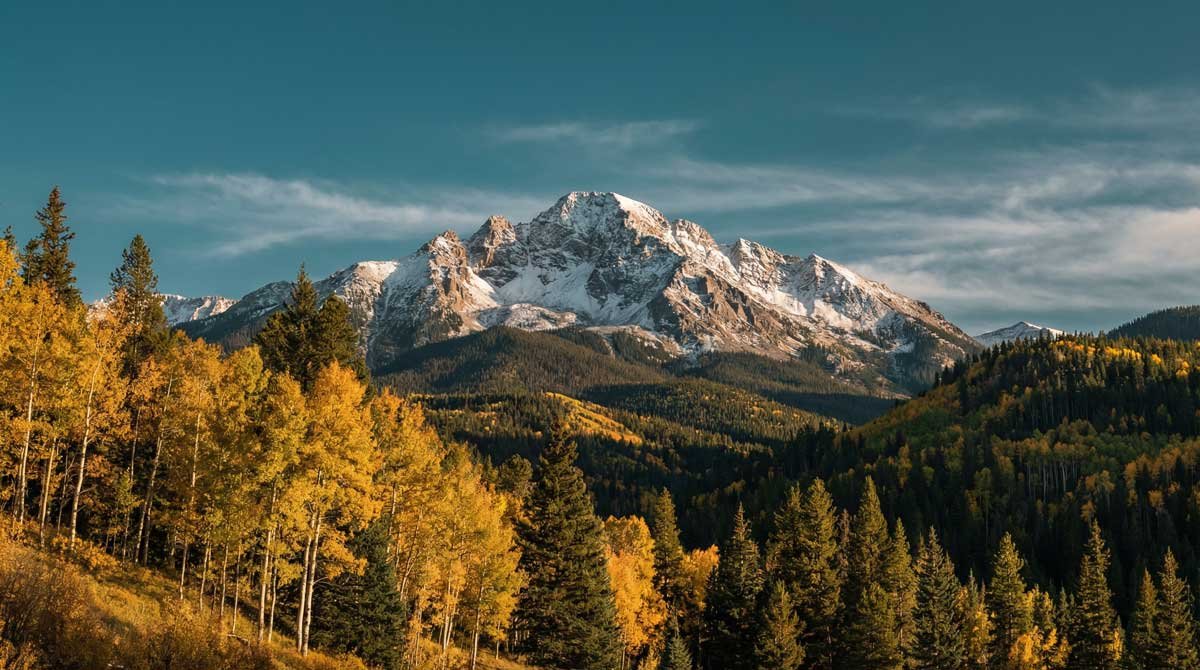
When Does the First Snow Hit Different Colorado Regions?
Now let’s zoom in. For a skier, knowing the statewide average is one thing, but knowing when the first flakes are likely to fall on your favorite mountain is what really matters. Here’s a detailed breakdown by region.
High Mountain Ski Areas (I-70 Corridor & Summit County)
This is the heart of Colorado’s ski country, and it’s where the magic happens first. These high-elevation resorts are perfectly positioned to catch early-season storms.
Arapahoe Basin and Loveland, sitting high on the Continental Divide, are often the first to see snow, typically in late September or early October. They famously battle every year to be the first to open in North America. Breckenridge, Keystone, and Copper Mountain, as Summit County neighbors, usually get their first significant snowfall in early October. Breckenridge, for instance, saw its first snow of the 2025 season on September 14th. Vail, just over the pass, tends to get its first snow in early to mid-October, with its vast bowls needing a bit more coverage to get going.
Northern Colorado Mountains
The northern resorts have their own unique weather patterns and are known for their legendary powder. Steamboat Springs, the home of “Champagne Powder,” often gets its first taste of winter in late September or early October. Winter Park, tucked away on the west side of the Divide, usually sees its first snow in early October, setting the stage for a deep winter base.
Southern Colorado Mountains
The southern mountains are famous for getting hammered with massive storms, and their first snow is no exception. Wolf Creek is legendary for getting the most snow in Colorado, and it often starts early, with first snows in late September. Telluride and Crested Butte, these iconic mountain towns, typically see their first flakes in late September or early October, transforming the rugged San Juan and Elk Mountains into a winter wonderland.
Front Range Cities & Eastern Plains
While not ski destinations themselves, the cities are where most of the local skiers live, and the first snow here is a major event. It’s the final signal that it’s time to head for the hills. Denver and Boulder average their first snow on October 18th. Colorado Springs averages a bit later, around October 24th. Fort Collins typically sees its first snow around October 26th. Grand Junction and the Eastern Plains, being lower and drier, have to wait until November for their first taste of winter.
| Location | Region | Elevation | Average First Snowfall |
|---|---|---|---|
| Arapahoe Basin | I-70 Corridor | 10,780 ft | Late Sept / Early Oct |
| Wolf Creek | Southern Mtns | 10,300 ft | Late September |
| Breckenridge | Summit County | 9,600 ft | Early October |
| Steamboat Springs | Northern Mtns | 6,900 ft | Early October |
| Vail | I-70 Corridor | 8,150 ft | Early / Mid-October |
| Denver | Front Range | 5,280 ft | October 18 |
| Colorado Springs | Front Range | 6,035 ft | October 24 |
| Grand Junction | Western Slope | 4,583 ft | November 16 |
When Do Colorado Ski Resorts Actually Open?
This is the million-dollar question for every eager skier. You see the pictures of snow-dusted peaks on social media, but when can you actually click into your bindings and hit the slopes? It’s crucial to understand that first snow does not equal opening day.
Modern ski resorts are masters of snowmaking. As soon as overnight temperatures drop consistently below freezing (typically in late September and early October), they fire up the snow guns. This manufactured base, combined with early natural snowfall, is what allows them to open.
The Race to Open: A Colorado Tradition
The 2025-2026 ski season is expected to follow a familiar pattern. The high-elevation resorts with powerful snowmaking systems lead the charge. The annual “Race to Open” is typically a duel between Arapahoe Basin and Loveland. Expect one or both to open for the season around the last week of October. Keystone has also been a strong contender in recent years, sometimes opening even earlier.
Early to mid-November is when the season really kicks into gear. Resorts like Breckenridge, Copper Mountain, Vail, and Winter Park target the first two weeks of November for their opening days. The remaining resorts, including Steamboat, Beaver Creek, Aspen, and Telluride, typically open around the Thanksgiving holiday, with their full terrain gradually becoming available through December.
| Resort | Projected Opening Date (2025-2026) | Typical Early Season Terrain |
|---|---|---|
| Arapahoe Basin | Late October | High-altitude groomers, one main run |
| Loveland | Late October | Top-to-bottom run on the main face |
| Keystone | Early November | Mix of beginner and intermediate runs |
| Breckenridge | Early November | Peak 8 base area, some mid-mountain |
| Vail | Mid-November | Runs accessible from Gondola One |
| Steamboat | Mid-November | Christie Peak Express area |
| Aspen Mountain | Late November | Silver Queen Gondola access |
| Telluride | Late November | Village Express and some beginner terrain |
What to Expect from Early Season Skiing
Skiing in October and November is a unique experience. It’s not about waist-deep powder, but about celebrating the return of winter. Expect limited terrain, primarily consisting of a few top-to-bottom groomed runs. The conditions can be variable, with firm snow in the morning and softer slush in the afternoon. But the upsides are significant: fewer crowds, cheaper lift tickets, and the pure joy of making your first turns of the season.
What Factors Influence When the First Snow Falls?
Ever wonder why one year feels like winter starts in September and the next you’re waiting until Thanksgiving? The timing of Colorado’s first snow is orchestrated by a massive interplay of atmospheric forces. Here are the key players.
The Right Ingredients: Cold Air & Moisture
For snow to fall, you need two basic ingredients: moisture in the atmosphere and temperatures cold enough for that moisture to freeze into snowflakes. In Colorado, this usually happens when a strong cold front dives south from Canada or Alaska. This frigid air collides with moisture moving in from the Pacific Ocean, and the mountains do the rest, forcing the air to rise, cool, and drop its payload as snow.
El Niño vs. La Niña: The Global Weather Drivers
You’ve likely heard these terms on the news, and they have a real impact on Colorado’s ski season. These climate patterns, related to sea surface temperatures in the Pacific Ocean, can tilt the odds for an early or late start to winter.
La Niña is generally the pattern skiers love to see. La Niña often steers the storm track further north, favoring Colorado with more frequent and colder storms. This can lead to an earlier first snowfall and a snowier season overall, especially in the northern and central mountains. El Niño tends to be less favorable for Colorado. It often results in a warmer and drier fall, which can delay the first significant snowfall. Storms tend to track further south, sometimes missing Colorado altogether.
The Subtle Hand of Climate Change
Long-term climate trends are also playing a role. Data from the Colorado Climate Center shows that since 1980, the date of the first snow along the Front Range has been creeping later by a week or two. Interestingly, the last spring snow has also been trending later, which means the overall length of the snow season has remained relatively stable, just shifted slightly.
How to Be Your Own Snow Forecaster
Tired of waiting? You can track incoming storms like a pro. Websites and apps like OpenSnow and OnTheSnow provide detailed forecasts specifically for skiers. The National Weather Service (NOAA) is the go-to for official warnings and data. And don’t forget to follow your favorite resorts on social media—they often post real-time updates and photos the moment the snow starts falling.
How to Plan Your Ski Trip Around Colorado’s First Snow
Timing an early-season ski trip can feel like a gamble, but with the right strategy, you can score big. It’s all about balancing the desire for fresh snow with the reality of limited terrain and variable conditions. Here’s how to plan it like a pro.
The Booking Game: When to Pull the Trigger
Booking a trip for October or November can land you some of the best deals of the season on flights and lodging. However, you’re betting on Mother Nature to cooperate. If you’re flexible, the best approach is to wait until the first significant snowstorms have hit and resorts have announced their official opening dates. Look for last-minute deals and be ready to go when the conditions look promising.
If you need to book in advance, aim for the week of Thanksgiving. By then, most major resorts are open, have a solid base of man-made and natural snow, and are expanding their terrain daily.
What to Really Expect from Early Season Skiing
It’s important to set realistic expectations. Early season skiing is not about deep powder days. It’s about shaking off the rust and enjoying the mountains with fewer people. Expect only a handful of runs to be open, mostly groomers. You might encounter everything from perfect corduroy to icy patches and thin cover. Be mindful of rocks and other obstacles, especially off the main groomed trails. The huge upside is fewer crowds. You’ll have the slopes (and the bars) largely to yourself.
Gear Up for Anything: The Early Season Packing List
Don’t just grab your mid-winter gear. Early season requires a more versatile setup. If you have an older pair of skis or a snowboard, bring them. The risk of hitting a rock or other debris is higher when the base is thin. Temperatures can swing wildly, from cold in the morning to surprisingly warm in the afternoon sun. Dress in layers you can easily add or remove. The sun is intense at high altitude, and the reflection off the snow is powerful, even in October. Don’t forget your sunscreen and a good pair of goggles.
| Trip Priority | Best Time to Go | What to Expect |
|---|---|---|
| First Turns & Best Deals | Late Oct – Mid Nov | Limited terrain, variable snow, few crowds |
| Good Snow & Holiday Fun | Late Nov – Dec | More terrain open, festive atmosphere |
| Peak Conditions | January – March | Best snow, most terrain, biggest crowds |
| Sunny Spring Skiing | April – May | Soft snow, sunny days, end-of-season parties |
Memorable First Snowfalls in Colorado History
Colorado’s weather history is filled with wild stories and record-breaking events that put the “average” first snowfall dates into perspective. These are the tales that old-timers share on the chairlift.
One of the most legendary events is Denver’s earliest-ever significant snowfall. On September 3, 1961, the city was shocked when 4.2 inches of heavy, wet snow fell. Imagine, a winter storm before Labor Day was even over! On the flip side, the city has also had to wait anxiously for winter’s arrival. The latest first snow on record for Denver was November 21, 1934, a date that surely tested the patience of every local skier.
But the truly mind-boggling records are found in the high country. The state record for the most snow in a single 24-hour period was an incredible 76 inches (over 6 feet!) at Silver Lake in 1921. And for sheer volume, nothing beats the 251-inch snow depth measured at Wolf Creek Pass in 1979. That’s over 20 feet of snow!
So, does an early first snow guarantee a huge snow year? Not necessarily. In the mountains, there’s little correlation. The season is long, and a week or two’s head start doesn’t mean much when you’re measuring snowfall in the hundreds of inches. However, at lower elevations like the Front Range, there is a modest connection. Years that start with an early snow have a slight tendency to end with a higher overall total. It seems that when winter arrives early, it sometimes decides to stick around.
Frequently Asked Questions About Colorado’s First Snow
- 1. When does the first snowfall hit Colorado?
- The first snowfall in Colorado typically hits the high mountain ski areas in late September or early October. The Front Range cities, like Denver and Boulder, usually see their first snow in mid-to-late October, while the lower Eastern Plains may have to wait until November.
- 2. What month does it start snowing in Colorado?
- Snow can start falling in the high country as early as September, but the most consistent snowfall for ski season purposes begins in October and builds through the winter. For most of the state, October is the month when winter truly begins to make its presence felt.
- 3. Does it usually snow in September in Colorado?
- Yes, it is quite common for the highest elevations (above 10,000 feet) to receive snow in September. However, these early dustings often melt quickly and don’t form a lasting base. It is much rarer for cities like Denver to see September snow.
- 4. When was the earliest snowfall in Colorado?
- For Denver, the earliest measurable snowfall on record was a surprising 4.2 inches on September 3, 1961. High-elevation areas have likely seen snow in August, but official records for those remote locations are less consistent.
- 5. When do Colorado ski resorts open?
- The first ski resorts, typically Arapahoe Basin and Loveland, open in late October. Most other major resorts like Breckenridge, Vail, and Keystone open in early to mid-November, with nearly all resorts open by Thanksgiving.
- 6. Can you ski in Colorado in October?
- Yes, you can often ski in Colorado in October, but your options will be very limited. Only one or two resorts with high elevations and strong snowmaking capabilities will be open, offering a small amount of terrain, usually a single top-to-bottom run.
- 7. How does elevation affect first snow timing?
- Elevation is the biggest factor. For every 1,000 feet you go up in elevation, the temperature drops by about 3-5°F. This means high-elevation areas reach freezing temperatures much earlier in the fall, allowing them to receive snow weeks or even months before lower-elevation areas.
- 8. What’s the best time to ski in Colorado?
- For the most reliable snow conditions and the most open terrain, the best time to ski in Colorado is from late January through March. However, if you’re looking for fewer crowds and better deals, the early season (November) and late season (April) can be fantastic.
- 9. How reliable is early season snow in Colorado?
- Early season natural snow is highly variable and depends on the year’s weather patterns. However, thanks to world-class snowmaking operations at most major resorts, you can reliably expect a good amount of groomed terrain to be open by mid-November, regardless of natural snowfall.
- 10. When to expect the first snow in Denver?
- The average date for the first measurable snowfall in Denver is October 18th. However, the actual date can vary widely, with the earliest on record being September 3rd and the latest being November 21st.
Ready for Colorado’s First Snow?
The anticipation of the first snowfall is a feeling that unites every skier and snowboarder. It’s a signal that the wait is over and a new season of adventure is about to begin. While the exact date of the first flake is always a thrilling mystery, you’re now armed with the knowledge to make an educated guess and, more importantly, to plan accordingly.
Remember the key takeaways: the high country gets the first taste of winter in September and early October, while the Front Range cities follow in mid-to-late October. But the most important date isn’t the first snow, it’s opening day. Thanks to the incredible snowmaking efforts, you can count on making your first turns by late October or early November.
So, what are you waiting for? It’s time to take action.
- Check the projected opening dates for your favorite resorts.
- Sign up for snow alerts from OpenSnow to get notified of the first big storm.
- Start looking at early-season deals on lodging and lift tickets.
- Get your gear tuned up and ready to go.
The mountains are calling. Be ready when they do.