Picture this: you wake up, pull back the curtains, and see fresh powder blanketing the peaks. For skiers across the Alps, this moment has a special name—”neuschnee.” The German term for new or fresh snow represents the holy grail of skiing conditions. And few places deliver neuschnee as consistently as Saas-Fee.
Saas-Fee is one of Switzerland’s most snow-reliable ski resorts, thanks to glacier access reaching 3,600 meters altitude. This car-free village in the Valais Alps combines authentic Swiss charm with year-round skiing possibilities. Whether you’re chasing powder days or simply want confidence in snow conditions, understanding Saas-Fee’s unique advantages makes all the difference.
This comprehensive guide covers everything you need to know about Saas Fee neuschnee—from monthly snow patterns to real-time tracking tools.
What is Saas-Fee? Understanding the Pearl of the Alps
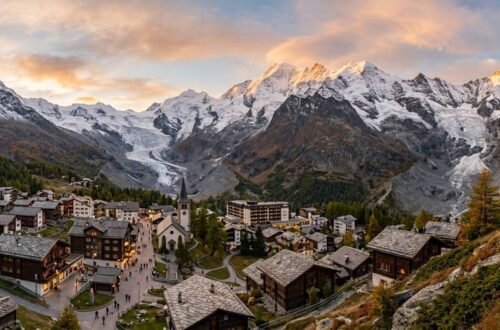
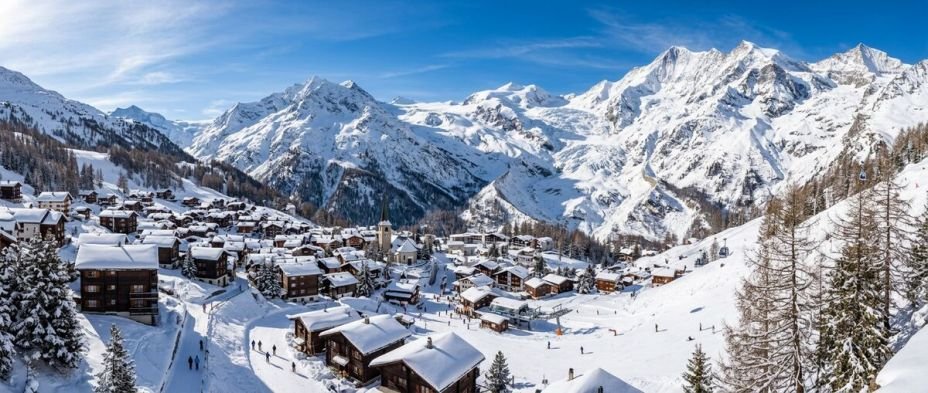
Saas-Fee sits in the heart of the Valais Alps, near Switzerland’s Italian border. Known affectionately as the “Pearl of the Alps,” this traditional mountain village has earned its reputation through spectacular scenery and exceptional skiing.
The resort’s defining feature? It’s completely car-free. Electric taxis shuttle visitors through narrow streets lined with traditional Swiss chalets. This commitment to preservation creates an atmosphere that feels worlds away from modern ski mega-resorts.
But Saas-Fee’s real claim to fame is altitude. The village sits at 1,800 meters, already well above many resorts’ base elevations. Lifts whisk skiers up to the Fee Glacier, where skiing reaches 3,600 meters—among the highest in Europe. The Mittelallalin revolving restaurant at 3,500 meters offers breathtaking 360-degree views of peaks exceeding 4,000 meters.
This exceptional altitude translates directly to snow reliability. While lower-elevation resorts struggle during warm winters, Saas-Fee’s glacier skiing remains consistent. The resort operates 100 kilometers of marked pistes served by 22 lifts, with terrain suitable for all ability levels.
Understanding “Neuschnee” – Why Fresh Snow Matters
What Does “Neuschnee” Mean?
“Neuschnee” translates directly from German as “new snow” or “fresh snow.” Throughout the German-speaking Alps—Austria, Switzerland, and southern Germany—this term appears on snow reports and in ski conversations. It specifically refers to snow that has fallen within the last 24 to 48 hours.
The term differs slightly from “Pulverschnee” (powder snow), which describes snow quality. Neuschnee simply means it’s fresh, whether it’s light powder or heavier snow. For trip planning, tracking neuschnee reports helps you time visits to coincide with optimal conditions.
Why Fresh Snow is the Holy Grail for Skiers
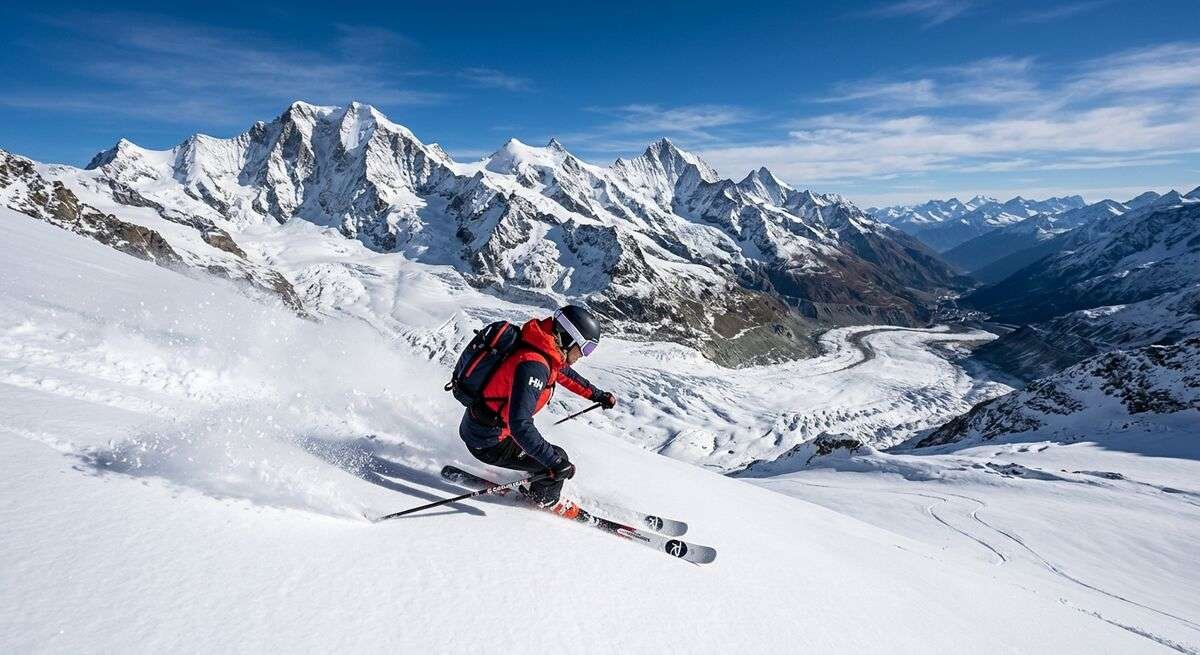
Fresh snow transforms the mountain experience. Untracked powder provides a sensation unlike any other in skiing—floating through snow rather than carving over hard pack. Advanced skiers seek this feeling, but fresh snow benefits everyone.
Even on groomed runs, a layer of new snow softens the surface. Turns become easier. Mistakes feel more forgiving. Intermediate skiers find confidence improves with that cushioned feeling beneath their skis.
There’s also the thrill of “first tracks”—being among the first to ski fresh powder before it gets tracked out. At Saas-Fee’s high elevation, cold temperatures mean neuschnee often stays fresh longer than at lower resorts. Morning powder can still ski beautifully well into afternoon.
Saas-Fee Snow Patterns: When to Expect Neuschnee
Understanding when Saas-Fee typically receives the most snowfall helps maximize your powder opportunities.
Monthly Breakdown of Snowfall
| Month | Avg. Snowfall | Snow Conditions | Best For |
|---|---|---|---|
| November | 60-80 cm | Early season, building base | Patient powder hunters |
| December | 80-120 cm | Excellent, pre-holiday | Holiday visitors |
| January | 100-150 cm | Peak season, most reliable | Prime powder |
| February | 90-130 cm | Consistent, coldest temps | All-around skiing |
| March | 70-100 cm | Spring skiing begins | Sunshine + skiing |
| April | 40-70 cm | Spring conditions | Late season |
| May-October | Glacier only | Summer glacier skiing | Year-round access |
Best Months for Fresh Powder
January and February stand out as peak months for neuschnee. Storm cycles move through the Alps with regularity during these months, and cold temperatures preserve snow quality. If you have flexibility in planning, mid-January through mid-February offers statistically the best chance for fresh powder.
December and March make excellent secondary choices. December brings pre-holiday excitement with improving snowpack. March offers longer days, warmer temperatures, and still-frequent snowfall. By April, spring skiing dominates, with sunny mornings and softer snow in afternoon.
Storm cycles in the Alps typically follow multi-day patterns. A system moves in, dumps snow for 24-48 hours, then clears for several days before the next system arrives. This rhythm creates opportunities to time visits around incoming weather.
Snow Reliability by Season
Early season (November-December) focuses on building snowpack. The glacier always has skiing, but the full resort requires sufficient base depth. By mid-December most years, coverage extends to lower elevations.
Peak season (January-March) delivers the most consistent neuschnee. Cold temperatures, frequent storms, and maximum snowpack depth create ideal conditions. This is when Saas-Fee shines brightest.
Spring season (April-May) shifts to “firn” skiing—crusty mornings that soften into beautiful corn snow by midday. The glacier advantage becomes obvious as lower resorts close while Saas-Fee continues operating.
Summer glacier skiing (May-October) is where Saas-Fee is truly unique. Few Alpine resorts offer year-round skiing. While this isn’t typically “neuschnee” season, the ability to ski 12 months a year makes Saas-Fee special.
Why Saas-Fee is Switzerland’s Most Snow-Sure Resort
The Glacier Advantage
The Fee Glacier and surrounding glaciers give Saas-Fee its reliability edge. Glacier ice accumulates over centuries, providing a permanent snow base. Even in the warmest, driest years, the glacier remains skiable.
Skiing reaches the Mittelallalin at 3,600 meters (11,811 feet). This isn’t just marketing—you’re genuinely skiing at extreme altitude. The Metro Alpin underground funicular, the world’s highest, tunnels through rock to reach this height. From the top, views stretch across the Valais Alps to peaks in Italy.
This altitude matters enormously for snow preservation. Where lower resorts watch snow melt, Saas-Fee maintains its snowpack. Temperatures at 3,500 meters remain cold enough to preserve powder quality for days after snowfall.
Altitude = Snow Reliability
The village base sits at 1,800 meters—already above the “snow line” that typically ensures reliable winter conditions. Most skiing happens between 2,500 and 3,600 meters. At these heights, snow doesn’t just fall more frequently; it also lasts longer.
Compare this to resorts with base elevations of 1,200-1,500 meters. Those extra few hundred meters of elevation make the difference between rain and snow during borderline-temperature systems. Saas-Fee gets snow while lower resorts get rain.
Protected Valley Geography
Saas-Fee sits in a valley surrounded by 13 peaks exceeding 4,000 meters. This ring of mountains creates protection from föhn winds—those warm, dry winds that sweep down Alpine valleys and rapidly melt snow.
The valley’s shape also funnels storm systems effectively. Weather patterns moving through the region often deposit significant precipitation in this protected pocket. Local geography creates a microclimate that enhances snowfall totals.
How to Track Saas-Fee Neuschnee in Real-Time
Planning around fresh snow requires good information sources. Here are the most reliable tools.
Official Resources
Saas-Fee.ch Official Website provides the most authoritative updates. Their snow report includes current snow depth at various elevations, recent snowfall totals, piste conditions, and lift status. The site updates daily during ski season. Visit saas-fee.ch/en for English-language information.
MySwitzerland Snow Report offers regional comparison data. This official Swiss tourism site lets you compare Saas-Fee’s conditions with nearby resorts. It’s particularly useful for understanding regional weather patterns. The historical data feature shows how current season compares to averages.
Weather Forecast Sites
Snow-Forecast.com specializes in ski resort forecasts. Their Saas-Fee page provides 6-day detailed forecasts for both mid-mountain and summit elevations. This elevation-specific forecasting helps you understand how conditions will vary across the mountain.
Bergfex.com is a European ski resort specialist popular among Alpine skiers. Their multi-day forecasts often align well with actual conditions. The site includes snowfall predictions, temperature ranges, and wind forecasts.
Live Webcams
Multiple webcams positioned around Saas-Fee offer real-time visual checks. Before leaving your hotel in the morning, check webcams to see actual conditions. You can spot incoming storm systems, gauge visibility, and watch how snow quality changes throughout the day.
Key webcam locations include Mittelallalin (3,500m) for summit conditions, Morenia mid-mountain, and Plattjen. The official Saas-Fee website links to all webcam feeds.
Social Media & Local Updates
Follow @SaasFee_CH on X/Twitter for real-time updates and storm tracking. Instagram hashtags like #saasfee and #neuschnee provide user-generated condition reports. Often, local ski shops post early morning updates about overnight snowfall and mountain conditions.
Set up Google Alerts for “Saas-Fee snow” or “Saas-Fee neuschnee” to receive automatic notifications when fresh snow is reported online.
Planning Your Saas-Fee Trip for the Best Neuschnee
Timing Your Visit
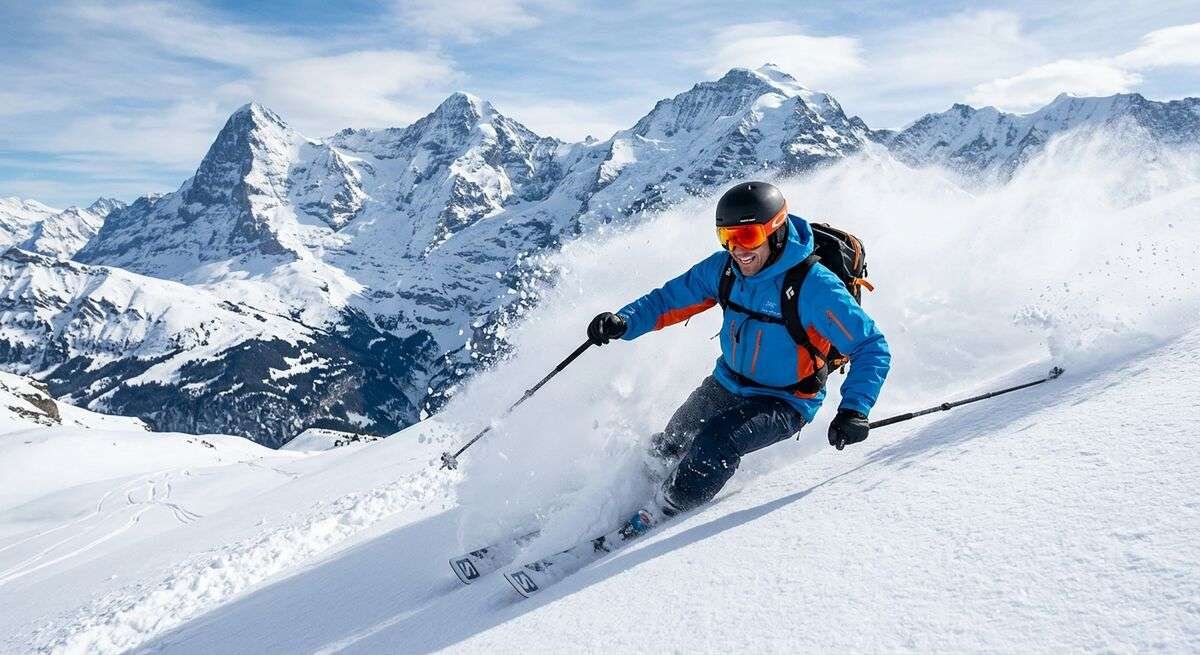
If chasing powder is your priority, book flexible dates. Storm systems don’t follow fixed schedules, but having flexibility lets you adjust arrival to coincide with forecasted snowfall.
Mid-January through mid-February offers statistically the best odds. Avoid peak holiday weeks (Christmas through early January, mid-February school holidays) when crowds increase and prices surge. Consider long weekends following forecasted storms for optimal uncrowded powder.
Accommodation Tips
Staying in the car-free village center puts you walking distance from lifts and creates an authentic experience. The gentle sound of electric taxis replaces car noise. Wake up to mountain views, not parking lots.
Ski-in/ski-out hotels maximize powder day efficiency. When neuschnee falls overnight, you want quick lift access. Every minute counts on powder mornings. Hotels and apartments both work well—hotels offer convenience, while apartments provide more space and kitchen facilities for longer stays.
What to Pack
Bring fat skis or a powder snowboard if you own them. Wider skis float better in deep snow, making powder skiing more enjoyable. Most rental shops in Saas-Fee stock powder skis, but availability varies on busy days.
If venturing off-piste, avalanche safety gear is mandatory—beacon, probe, and shovel. Consider hiring a guide for backcountry exploration. Saas-Fee’s glacier terrain includes crevasse zones requiring local knowledge.
Pack layers for high-altitude temperature swings. Mornings at 3,500 meters can be brutally cold. By afternoon in March or April, you might ski in a T-shirt. Sun protection matters enormously at altitude—high-SPF sunscreen and good sunglasses are essential.
Getting There
The closest international airports are Zurich (3.5 hours), Geneva (3 hours), and Milan (3 hours). From any of these, trains connect to Visp, then a postal bus climbs the valley to Saas-Fee. Swiss public transport runs with famous reliability.
Since Saas-Fee is car-free, parking lots at the village entrance provide long-term parking. Electric taxis and shuttle buses transport luggage and guests through the village. This system works remarkably well—most visitors find the car-free environment enhances their stay.
Frequently Asked Questions About Saas-Fee Neuschnee
Does Saas-Fee have snow year-round?
Yes, Saas-Fee is one of very few Alpine resorts offering year-round glacier skiing. The Fee Glacier at 3,600 meters maintains skiing access from May through October when the full resort is closed. However, “neuschnee” (fresh snowfall) is primarily a winter phenomenon from November through April. Summer skiing takes place on groomed glacier snow rather than fresh powder. The year-round access makes Saas-Fee unique among European resorts.
When does Saas-Fee get the most snow?
January and February are statistically the snowiest months, averaging 100-150 centimeters of snowfall monthly. December and March also deliver excellent accumulation. The high altitude (1,800-3,600m) ensures that snow falling during these months stays rather than melting. Cold temperatures throughout winter preserve powder quality for extended periods compared to lower-elevation resorts.
How reliable is Saas-Fee for powder skiing?
Extremely reliable. The combination of glacier access and high base elevation makes Saas-Fee one of Europe’s most snow-sure destinations. Even in low-snow years, the glacier guarantees skiing. For fresh “neuschnee,” January and February offer the best statistical odds, but the extended season from November through April provides multiple powder opportunities. The protected valley position and altitude mean Saas-Fee often receives snow when other resorts see rain.
How does Saas-Fee compare to Zermatt for snow?
Both are exceptional glacier resorts with outstanding snow reliability. Zermatt offers a larger ski area (360 kilometers versus Saas-Fee’s 100 kilometers) and the iconic Matterhorn backdrop. However, Saas-Fee often receives more frequent snowfall due to its valley microclimate. Saas-Fee’s advantages include fewer crowds, a more intimate village atmosphere, and typically better value. The car-free environment in Saas-Fee feels more authentic than Zermatt’s busier streets. For pure powder seekers, both deliver, but Saas-Fee offers a quieter experience.
What does “neuschnee” mean in skiing terms?
“Neuschnee” is the German word for “new snow” or “fresh snow”—specifically snow that has fallen within the last 24 to 48 hours. German-speaking ski communities across the Alps use this term on snow reports and in conversation. Skiers prize neuschnee because it provides the best powder skiing conditions before being tracked out or groomed flat. The term appears frequently in Alpine weather forecasts and resort updates throughout Switzerland, Austria, and Bavaria.
Can beginners ski in neuschnee conditions?
Yes, with appropriate precautions. A light layer of fresh snow on groomed beginner runs is manageable and often makes learning easier—softer landings, more forgiving turns. However, deep ungroomed powder requires technique and experience that beginners haven’t yet developed. Beginners should stick to marked, groomed pistes after fresh snowfall. Saas-Fee’s excellent ski schools offer specific lessons for powder technique once basic skills are solid. The resort’s wide range of terrain includes plenty of gentle runs where beginners can enjoy neuschnee safely.
What altitude is Saas-Fee skiing?
Saas-Fee skiing ranges from the village level at 1,800 meters up to the Mittelallalin glacier at 3,600 meters. This exceptional 1,800-meter vertical range explains why Saas-Fee is so snow-sure. Most skiing happens between 2,500 and 3,600 meters—well above the altitude where snow reliability becomes questionable. The Metro Alpin underground funicular reaches 3,500 meters, making it the world’s highest underground railway and providing easy access to extreme altitude skiing.
Is Saas-Fee suitable for a powder skiing holiday?
Absolutely. Saas-Fee is ideal for powder enthusiasts. The combination of reliable snowfall (especially January-February), extensive glacier terrain, off-piste opportunities, and smaller crowds compared to mega-resorts makes it excellent for powder seekers. The car-free village adds authentic Alpine charm that enhances the overall experience. Advanced skiers and snowboarders will find plenty of challenging terrain, while the high altitude means powder stays fresh longer than at lower resorts.
Conclusion
Saas-Fee’s combination of glacier skiing, extreme altitude, and protected valley geography creates one of the Alps’ most reliable environments for neuschnee. While social media posts and real-time reports tell you about today’s conditions, understanding the bigger picture—monthly patterns, geographic advantages, and planning strategies—gives you the tools to experience Saas-Fee at its powder-filled best.
January and February offer peak neuschnee opportunities, but the extended season and year-round glacier access mean powder possibilities stretch from November through April. Use the tracking tools and forecasting resources to time your visit, and you’ll understand why knowledgeable skiers return to this “Pearl of the Alps” season after season.
Whether you’re chasing fresh tracks or simply want the confidence of snow-sure skiing, Saas-Fee delivers. The village charm, spectacular scenery, and consistent snowfall make it one of Switzerland’s best-kept powder secrets. Visit saas-fee.ch to start planning your neuschnee adventure.