The best time to buy ski gear is late March through May, when end-of-season clearances cut 30 to 60 percent off skis, boards, and outerwear while sizes still exist. A second, quieter window runs from July into September, when shops clear the last leftovers to make floor space for new stock.
That second window is the one you are standing in if you are reading this in August, and it comes with a catch nobody puts in the sale banner: the discounts are at their deepest exactly when the size and model you want are most likely to be gone. Understanding that trade is the whole skill. The calendar below maps it month by month, and the sections after it explain the two decisions the calendar cannot make for you, which boots to exempt from bargain hunting and when a good-enough deal beats a perfect one.
The Ski Gear Price Calendar
Prices in the ski industry move on a fixed retail clock: new-model gear lands in shops between August and October at full price, holds through the holidays, cracks in March, and gets liquidated all summer. One year on that clock looks like this:
| Months | What is on sale | Typical depth | Selection |
|---|---|---|---|
| August–October | New season gear arrives at full price; last leftovers linger online | 0% new, around 40% on leftovers | New: complete. Leftovers: scraps |
| November | Black Friday one-day cuts on prior-year stock | 20–60%, briefly | Spotty, moves in hours |
| December–February | Almost nothing; mid-season sales exist but run shallow | 10–20% on slow movers | Full, at full price |
| March–May | End-of-season clearance on everything | 30–60% | Good in March, thinning by May |
| June–July | Summer liquidation, mostly online outlets | 40% and deeper | Thin, odd sizes |
The depth numbers hold up against what shop regulars report. In a long-running SkiTalk forum thread on ski buying timing, the working consensus is that 20 percent off is easy to find, 30 percent is common in clearance season, 40 percent is a good score, and anything deeper is rare outside one-day events. Retailers say the same thing in their own numbers: the Powder Daze summer sale at Christy Sports advertises previous-year skis, boots, and outerwear at up to 60 percent off.
Why Last Year’s Skis Are the Whole Game
Every discount in that calendar sits on one industry habit: ski companies re-release most models each fall with new graphics and a new price tag, while the ski underneath often carries over unchanged for two or three seasons. A construction change is an event; a topsheet change is an annual ritual. When you buy the outgoing version of a carried-over model in April, you give up the artwork and keep the engineering.
This is why the standard advice from people who ski a hundred days a year is so boring. Figure out the exact model you want during the season, demo it if you can, then buy the outgoing version the moment clearance starts. The strategy has one enemy, and it is not price.
“The longer you wait the cheaper they get but the higher risk they sell out of the ski you want”
– r/skiing, February 2026 (21 upvotes)
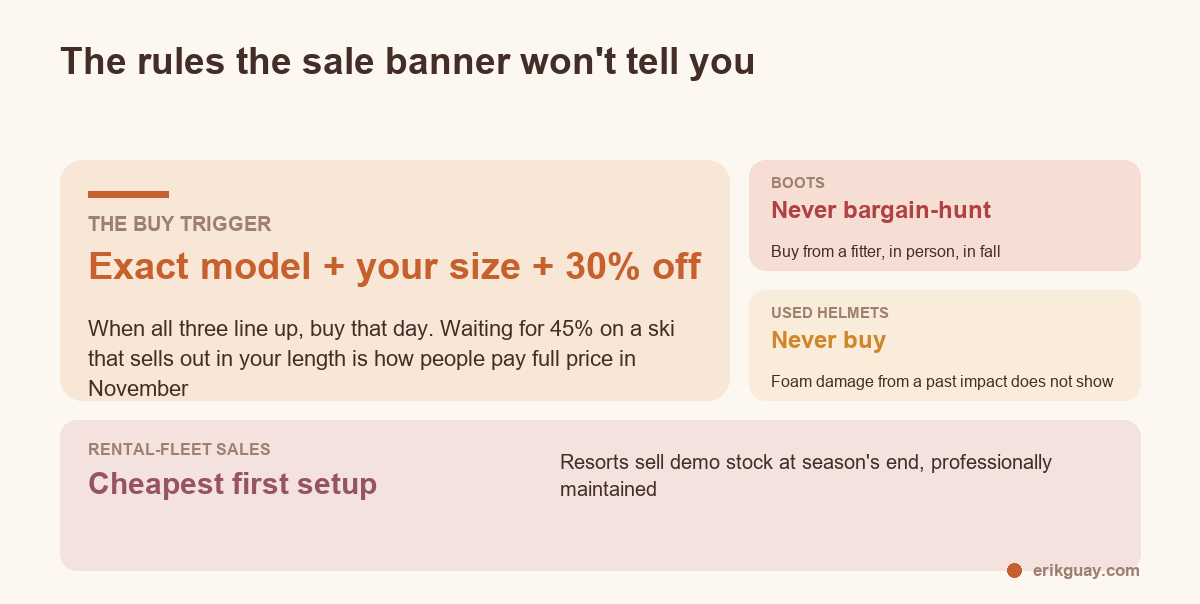
Sell-out risk is not evenly distributed. Popular all-mountain skis in the middle lengths vanish first; niche shapes and very short or very long sizes are what survives to July. So the deeper into summer you shop, the more flexible you have to be, which leads to a simple decision rule: when you find the exact model in your exact size at 30 percent off or better, buy it that day. Waiting for 45 percent on a ski that no longer exists in your length is how people end up paying full price in November.
Boots Are the Exception
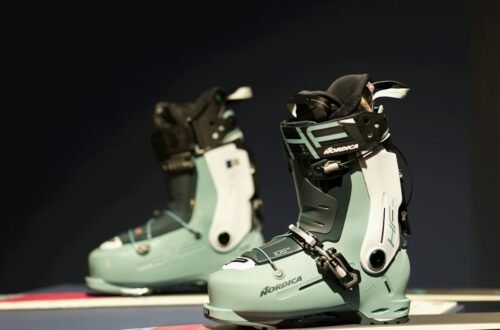
Ski boots are the one piece you should not buy on the clearance calendar. A boot that pinches costs more than any discount saves, and the shops that fix fit problems, real bootfitters with full stock and time to work, are at their best in September through November, before the season rush.
Buy boots from a fitter, in person, in fall, and treat whatever the price is as the price of skiing without pain. If the budget has to absorb that, take the savings on skis, bindings, and outerwear instead, where last-year discounts carry no fit penalty. Helmets deserve the same caution for a different reason: a discounted current-model helmet from a shop is fine, but a used one is a mystery, since foam damage from a past impact does not show.
Everything else obeys the calendar. Jackets and pants are the most heavily discounted category in spring because apparel colorways turn over every single year. Goggles, poles, and layers follow along. Bindings rarely go deep on their own but ride along in ski-plus-binding packages.
Shopping the August Window
Standing in the late-summer window, the playbook is short. Search the online outlets, evo, REI Outlet, Sierra, and the big regional shops, for last season’s version of models you already know. Filter by your size first, then look at what remains; shopping summer clearance by price first is how you buy skis that fit nobody.
One shop-floor rhythm is easy to miss from home, and a Redditor in a thread about new-ski timing described it exactly:
“My local shop have their best deals mid to late summer. I also see that some of the sports stores 20 to 30% off when they bring in mountain bikes season”
– r/Skigear, May 2026 (4 upvotes)
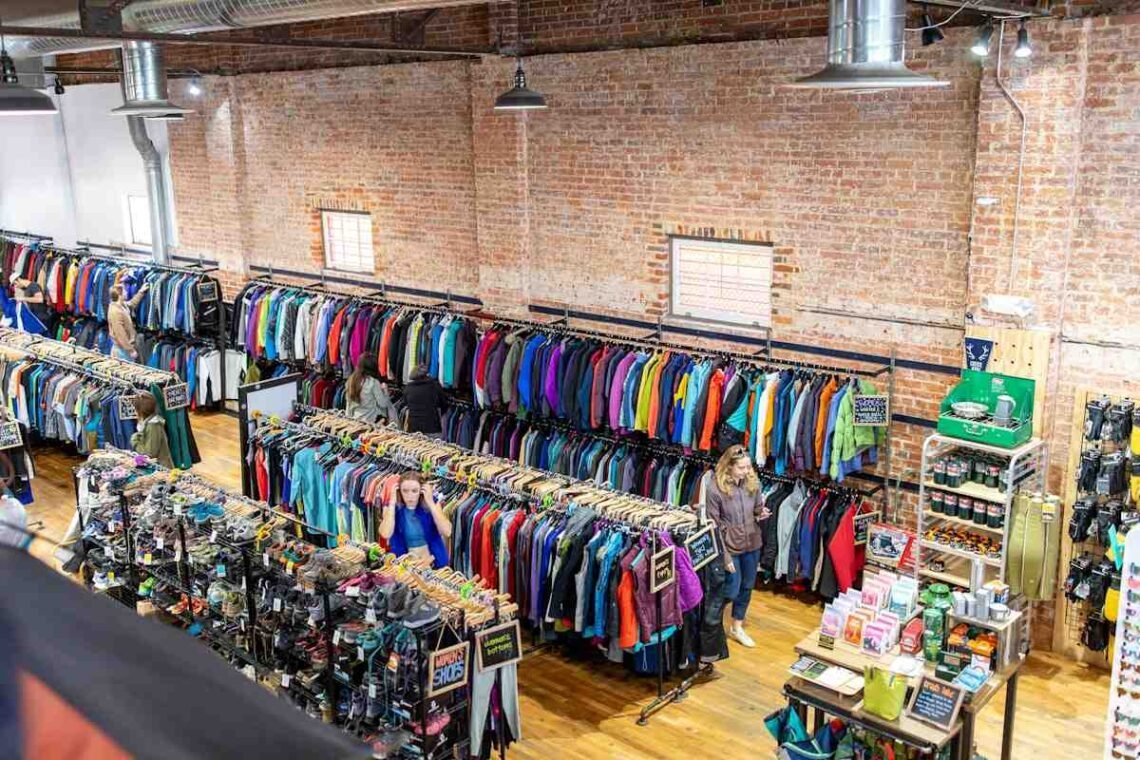
Bike season is the mechanism. Physical shops discount winter gear hardest when the floor space itself has a competing use, so a shop that sells mountain bikes in summer clears ski inventory more aggressively than a winter-only specialist. If you have one of those hybrid shops nearby, walk in during August before assuming the internet has the best price.
Also worth checking in late summer: resort and rental-fleet sales. Ski areas sell off demo and rental stock at season’s end, which is the cheapest path to a first setup that was professionally maintained.
FAQ
When does new ski gear come out?
New-model skis, boards, and outerwear reach shops between August and October, at full price. If you want the newest version, early fall gives you the fullest size runs you will see all year; the price for that selection is that there is no discount.
Is Black Friday a good time to buy ski gear?
Black Friday is the best single day between October and February, with prior-year gear briefly hitting 20 to 60 percent off. It rewards preparation: know the model and size beforehand, because the good listings are gone within hours and current-year gear barely moves.
What is the cheapest month to go skiing?
January, after the holiday crowds leave, is usually the cheapest full month for lift tickets and lodging, with early December close behind. Gear and trips run on opposite calendars: trips are cheapest mid-winter, gear is cheapest after the season ends.
What are the most common ski gear buying mistakes?
Buying boots by price instead of fit, waiting for a deeper discount on a ski that then sells out in your size, and buying used helmets rank first. A fourth is chasing new-graphics models in fall when the identical ski wearing last year’s art costs hundreds less.
The whole subject rewards a little planning and punishes perfectionism. Pick the model this winter, set a 30-percent trigger, and let the calendar do the rest.