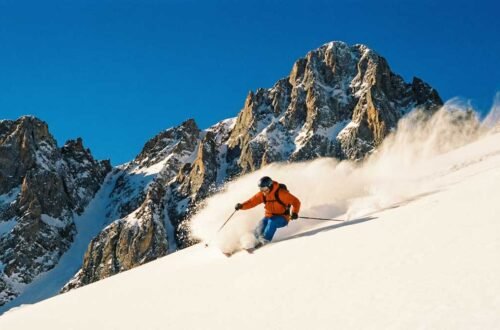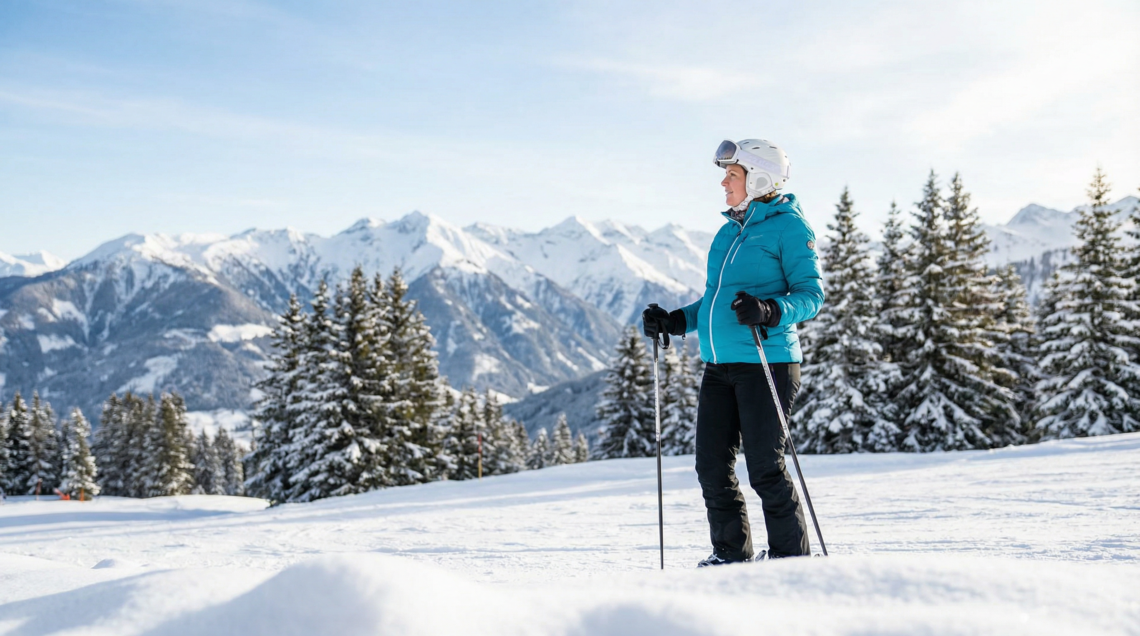
That exhilarating feeling of carving down a pristine, snow-covered mountain is something many of us live for. The crisp air, the stunning vistas, the pure joy of gliding on snow – it’s more than a sport; it’s a passion. But what happens when your greatest adventure yet is just beginning? You see those two pink lines, and suddenly, a question you never thought you’d ask pops into your head: Can you ski while pregnant?
Understanding Pregnancy Physiology and How It Affects Skiing
Before we can assess the risks, it’s crucial to understand why skiing is different when you’re pregnant. It’s not just about having a “bump” to protect. Pregnancy triggers a cascade of profound physiological changes that can fundamentally alter your body’s ability to perform on the slopes. Understanding these changes is the first step toward making a truly informed decision.
The Shifting Center of Gravity
From early in the second trimester, your body’s center of gravity begins to shift upwards and forwards as your uterus expands. This is a gradual process, but its effect on balance can be significant. In skiing, where precise balance and weight distribution are everything, this shift can make you feel surprisingly unstable, even on familiar terrain. Your muscle memory, honed over years of skiing, is suddenly working with a different set of rules. This recalibration period is when even the most experienced skiers find themselves more prone to unexpected falls.
Hormonal Havoc: The Role of Relaxin
During pregnancy, your body produces a hormone called relaxin. Its primary job is to loosen the ligaments in your pelvis to prepare for childbirth. However, relaxin doesn’t just target the pelvis; it affects all the ligaments and joints in your body, including your knees, ankles, and hips. This increased joint laxity makes you significantly more susceptible to sprains, dislocations, and other soft-tissue injuries from a fall that, pre-pregnancy, you might have just brushed off. Your joints are simply not as stable as they were before.
The Oxygen Equation: Cardiovascular and Respiratory Changes
Your body is working overtime to support a growing baby, and that includes a dramatic increase in blood volume and oxygen demand—up to 20-30% higher than normal. This means your heart and lungs are already under a greater load at sea level. When you ascend to a high altitude for skiing, where there is less available oxygen, this strain is amplified. You may find yourself becoming breathless and fatigued much more quickly than usual. More importantly, ensuring a consistent and adequate oxygen supply to the fetus is critical, and high altitudes can complicate this delicate balance.
When to Absolutely Avoid Skiing
While the decision to ski is nuanced for many, there are certain conditions where the risks are unequivocally too high. If you are experiencing a high-risk pregnancy, which may include conditions like gestational diabetes, preeclampsia, placental issues (such as placenta previa), or a history of preterm labor, activities like skiing are strongly contraindicated. Furthermore, any signs of bleeding, severe dizziness, or unusual cramping are red flags that should prompt an immediate cessation of strenuous activity and a call to your doctor. In these situations, the priority must be the health and safety of you and your baby, and plenty of safer alternatives exist to enjoy the winter season.
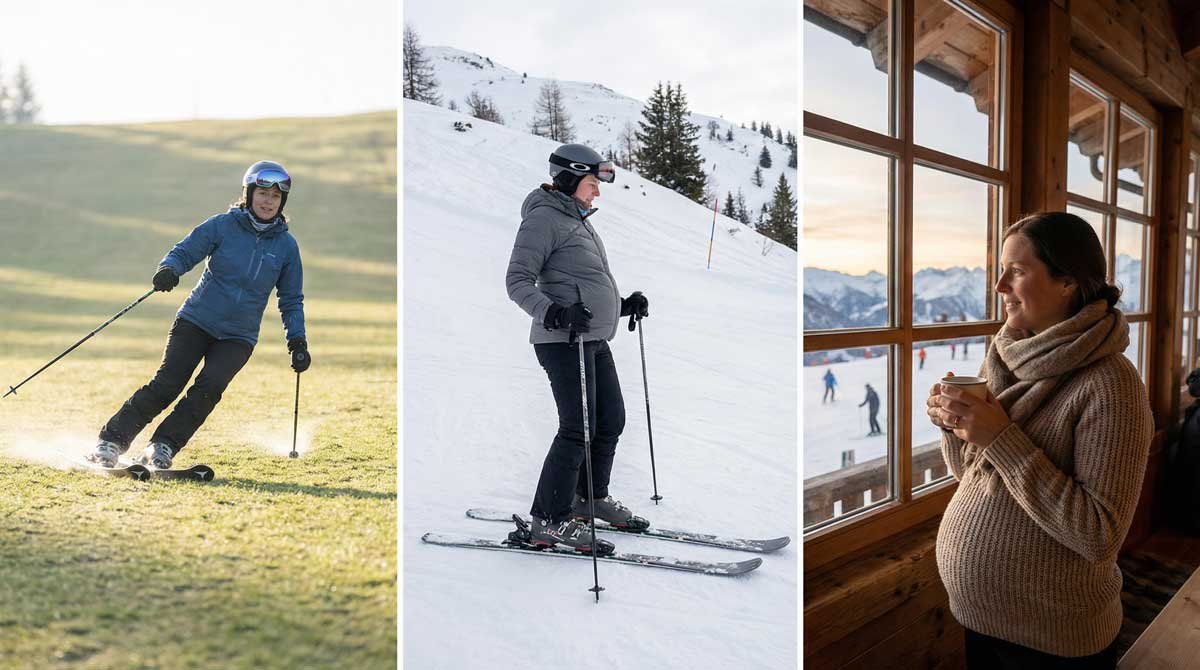
A Trimester-by-Trimester Guide to Skiing While Pregnant
The risks and considerations of skiing change dramatically as your pregnancy progresses. A decision that might be reasonable in the first few weeks becomes far more hazardous later on. Here’s a detailed breakdown of what to expect and how to approach your decision in each trimester.
First Trimester (Weeks 1-13): The Period of Cautious Consideration
The first trimester is a time of incredible development for your baby, but also a period of significant physical adjustment for you. From a skiing perspective, it’s a mixed bag of risks and relative safety.
On one hand, your baby is still tiny and extremely well-protected deep within your pelvis. Your center of gravity has not yet significantly shifted, and your balance is likely to be as reliable as ever. This is the window when, if an experienced skier is to continue skiing, the physical mechanics are most in their favor. However, this is also the trimester with the highest natural risk of miscarriage, and many women and their doctors prefer to avoid any activity that could potentially complicate a pregnancy during this delicate phase. Furthermore, the first trimester often brings crushing fatigue and nausea, which can severely impair your judgment, stamina, and enjoyment on the slopes.
Real-World Perspective: Sarah’s Story
“I was 8 weeks pregnant with my first and an avid skier. My doctor, knowing my experience level, gave me a very cautious green light for a planned ski trip. The rules were simple: stick to easy groomers, no tree runs, ski for only a couple of hours a day, and stop immediately if I felt tired or unwell. I felt surprisingly normal on my skis, but the fatigue was no joke. I’d ski two runs and need to go sit in the lodge for an hour. It was a different kind of skiing, for sure, but I was grateful to be out there. For me, it was the right choice, but I wouldn’t have done it if I wasn’t a near-professional skier.” – Sarah K., a former competitive skier.
If you and your doctor agree that skiing in the first trimester is a reasonable option for you, it must be approached with a new level of caution. This means sticking to the easiest, most predictable terrain, avoiding crowds, and being brutally honest with yourself about your energy levels.
Second Trimester (Weeks 14-27): The Tipping Point
Often called the “golden trimester” due to the subsiding of nausea and a return of energy, the second trimester feels like a time when you can do anything. However, when it comes to skiing, this is the tipping point where the risks begin to significantly outweigh the benefits for most people.
Your uterus is now growing above the protective shield of the pelvis, and your baby is more vulnerable to direct trauma from a fall. A significant impact to the abdomen could lead to serious complications, including placental abruption—a condition where the placenta separates from the uterine wall, which can be life-threatening for the baby. Your center of gravity is also noticeably changing, and you may find your balance is less reliable, even if you don’t feel overtly clumsy in your day-to-day life. This is why the ACOG and most healthcare providers strongly recommend ceasing high-fall-risk activities, including skiing, by the second trimester.
Third Trimester (Weeks 28-40): The No-Go Zone
If there is one point of universal agreement, it is this: downhill skiing in the third trimester is not a safe choice. Your balance is significantly compromised, your baby is large and much more exposed, and the consequences of a fall—even a seemingly minor one—can be catastrophic. The risk of placental abruption is at its highest, and a hard fall could also trigger preterm labor or cause direct injury to the baby.
Your focus in the third trimester should be on preparing for labor and delivery. There are many wonderful, safe ways to stay active and enjoy the winter landscape. This is the time to embrace activities like snowshoeing on flat trails, gentle winter walks, or prenatal yoga. The mountains will still be there next season, and you’ll be able to return to them with your new little one in tow.
A Deeper Dive: What Can Actually Go Wrong?
To make an informed decision, it’s important to move beyond vague warnings and understand the specific mechanisms behind the risks of skiing while pregnant. These are the primary concerns that medical professionals have.
Falls and Abdominal Trauma
This is, without a doubt, the single greatest concern. A fall is not just a fall when you are pregnant. The force of an impact to your abdomen can be transferred to the uterus, posing a direct threat to the baby and the placenta. The most feared complication is placental abruption, where the placenta prematurely detaches from the uterine wall. This can cut off the baby’s supply of oxygen and nutrients and cause severe bleeding in the mother. It is a medical emergency that requires immediate attention and can have devastating consequences. The UK’s National Health Service (NHS) also explicitly lists downhill skiing as an activity to approach with caution due to the risk of falls [2].
While your baby is well-cushioned by amniotic fluid, a high-impact fall can still cause harm. The risk and severity of these injuries increase as pregnancy progresses and the uterus grows larger and less protected by the pelvic bones. In the third trimester, a direct blow can even, in rare cases, lead to uterine rupture.
Collisions with Other Skiers
You may be a highly skilled skier in complete control of your own movements, but you cannot control the actions of others on the mountain. A collision with another skier or snowboarder can generate a massive amount of force, far greater than a simple slip-and-fall. Other people on the slope will not know you are pregnant and will not take extra precautions around you. This is why avoiding crowded slopes and skiing during off-peak times is a critical safety measure if you do choose to ski.
Altitude-Related Complications
Most ski resorts are located at high altitudes, typically between 6,000 and 11,000 feet. At these elevations, the partial pressure of oxygen is lower, meaning there is less oxygen available with each breath. As mentioned earlier, your body’s oxygen demand is already higher during pregnancy. This combination can lead to a lower level of oxygen in your blood, which can, in turn, reduce the oxygen supply to your baby. This is known as fetal hypoxia. While short-term, mild reductions in oxygen are generally well-tolerated, prolonged or severe exposure can be risky. It’s crucial to stay well-hydrated, avoid over-exertion, and choose resorts at lower elevations if possible. If you feel dizzy, unusually short of breath, or develop a headache, it’s a sign to descend immediately.
Exhaustion, Dehydration, and Impaired Judgment
Pregnancy is metabolically demanding. You are building a human, after all! This underlying state of fatigue can be exacerbated by the physical exertion of skiing and the physiological stress of high altitude. When you are exhausted, your reaction time slows, your muscles are less responsive, and your decision-making can become impaired. This is a dangerous combination on a ski slope. Dehydration is also a greater risk at altitude and in the cold, and it can exacerbate fatigue and even trigger preterm contractions. Listening to your body is not just a suggestion; it’s a critical safety imperative.
Comprehensive Safety Guidelines for the Pregnant Skier
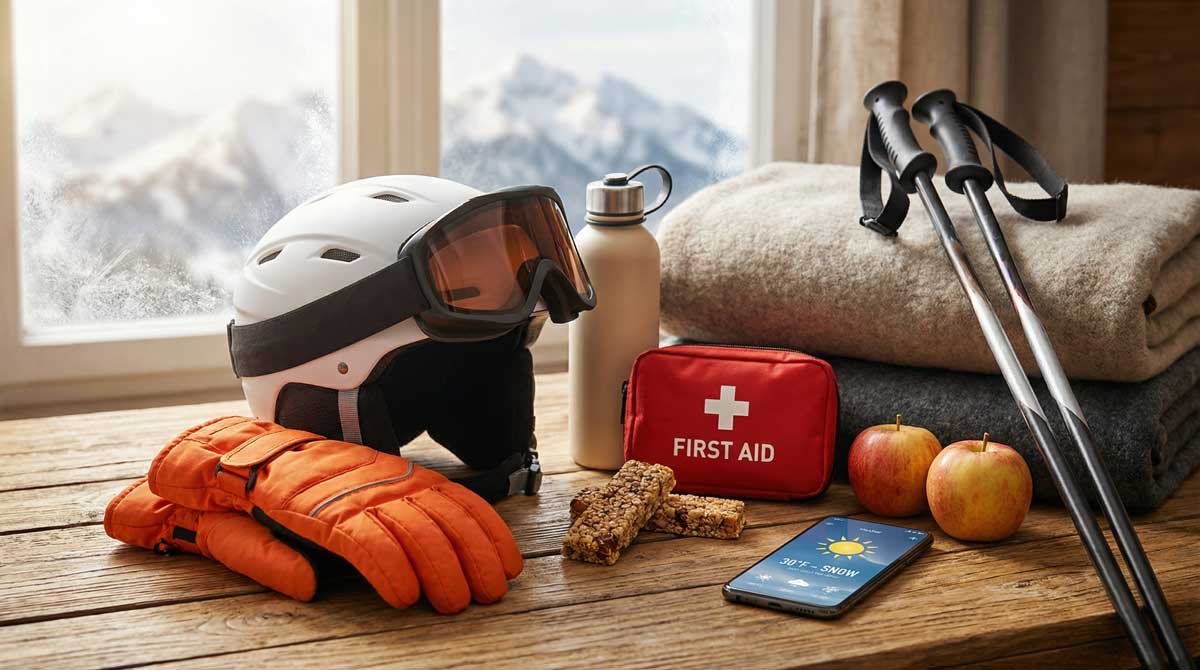
If, after a thorough discussion with your doctor, you have made the decision to ski during your first trimester, it is essential to adopt a completely new and rigorous approach to safety. This is not skiing as you know it. This is a modified, low-risk version of the sport, with the sole aim of enjoying the mountain environment safely.
Pre-Skiing Preparation: Your Safety Checklist
- Get Explicit Medical Clearance: This is non-negotiable. Have an open conversation with your OB/GYN about your skiing experience, the specifics of your trip, and your personal health profile. Get their explicit approval and understand any specific limitations they recommend.
- Assess Your Fitness: Be honest with yourself. Are you a highly proficient, confident skier who has been skiing consistently for years? Or has it been a while? Pregnancy is not the time to push your physical limits. If you are not in excellent physical condition (aside from pregnancy symptoms), it is wiser to abstain.
- Choose Your Destination Wisely: Opt for resorts at a lower elevation (ideally below 8,000 feet) to minimize altitude-related risks. Research resorts known for their extensive, well-groomed beginner and intermediate terrain. Ensure there is easy access to quality medical facilities nearby.
- Gear Up for Safety: Your regular ski pants might still fit in the early weeks, but consider a comfortable, non-restrictive pair. A helmet is mandatory. You might also consider wearing a brightly colored jacket to be more visible to other skiers.
On-the-Slope Strategy: A New Way to Ski
- Stick to the Green Runs: This is a rule with no exceptions. Even if you are an expert who typically skis black diamonds, your reality has changed. Stick to the gentlest, widest, and least crowded green runs. The goal is gentle gliding, not challenging yourself.
- Control Your Speed: Ski at a significantly slower pace than you normally would. You should be able to stop easily and immediately at any point. Avoid any terrain that would tempt you to pick up speed.
- Hydrate and Snack Constantly: Drink water before you feel thirsty. Carry a water bottle or a hydration pack. Pack energy-rich snacks and eat them frequently to maintain your blood sugar levels and combat fatigue.
- Take Frequent Breaks: Plan to ski for very short periods. Ski one or two runs, then go into the lodge to rest and hydrate. Listen to your body. The moment you start to feel tired, your day on the slopes is over.
- Never Ski Alone: Always ski with a partner who is aware of your pregnancy and can assist you in case of an emergency. They can also help run interference and keep other skiers at a safe distance.
Recognizing the Red Flags: When to Stop Immediately
Be hyper-aware of your body’s signals. Stop skiing immediately and consult a doctor if you experience any of the following:
- Dizziness or feeling faint
- Vaginal bleeding or fluid leakage
- Abdominal pain or cramping
- Unusual shortness of breath
- A severe headache
- Muscle weakness affecting your balance
Safe and Joyful Alternatives to Downhill Skiing
Choosing not to ski doesn’t mean you have to miss out on the magic of the mountains in winter. In fact, it can be an opportunity to explore other wonderful activities that are much safer during pregnancy.
- Snowshoeing: This is an excellent low-impact cardiovascular workout. Stick to flat or gently rolling, well-marked trails and enjoy the serene beauty of the winter landscape at your own pace.
- Cross-Country Skiing: Particularly the classic style on groomed tracks, cross-country skiing is a fantastic full-body workout with a much lower risk of high-impact falls compared to downhill skiing.
- Scenic Gondola Rides: You can still get those breathtaking high-alpine views. Take a gondola up to a mountain-top restaurant for lunch and enjoy the scenery without the risks of the descent.
- Winter Walks and Village Strolls: Enjoy the crisp mountain air, browse the local shops, and soak in the atmosphere of the ski village.
- Spa Days: Many ski resorts have world-class spas. Pregnancy is the perfect excuse to indulge in a prenatal massage or simply relax by a warm fire with a good book.
The Postpartum Return: Planning Your Comeback
The day will come when you can once again click into your bindings and feel that familiar thrill. However, the return to skiing postpartum also requires patience and a gradual approach. Your body has been through a monumental event, and it needs time to heal.
Generally, you should wait until you have received clearance from your doctor at your 6-week postpartum check-up before considering any strenuous exercise. For many women, especially those who have had a C-section or a complicated delivery, a longer recovery period will be necessary. Your core and pelvic floor muscles will need time to regain their strength. Rushing back to a high-impact sport like skiing too soon can increase your risk of injury.
Focus on a gradual return to fitness with walking, gentle core exercises, and pelvic floor rehabilitation. When you do return to the slopes, start slowly, listen to your body, and give yourself grace. Your pre-pregnancy form will return, but it will take time.
Expert Perspectives: What the Professionals Say
We’ve covered the recommendations from major health organizations, but what do individual doctors think? We asked Dr. Emily Carter, an OB/GYN and avid skier, for her perspective:
“The official guidance is clear for a reason: the risks, while statistically low, have very high consequences. My advice to my patients is always to err on the side of caution. For my highly experienced, professional-level athlete patients, we might have a nuanced conversation about first-trimester skiing under very strict parameters. But for the vast majority of recreational skiers, my recommendation is to enjoy a season of safer activities. There are so many ways to embrace the mountains in winter. A single season off is a small price to pay for the health of your child.”
Frequently Asked Questions (FAQ)
- 1. Is it safe to ski while pregnant?
- Generally, medical organizations like the ACOG advise against it due to the high risk of falls and potential for abdominal trauma. The decision is a personal one that should be made in close consultation with your doctor, considering your ski experience, health, and trimester.
- 2. Can you ski in the first trimester?
- This is the only period where some experienced skiers, with their doctor’s approval, might consider skiing. The baby is well-protected, and balance is not yet significantly affected. However, risks related to fatigue, nausea, and miscarriage still exist.
- 3. Can you ski in the second trimester?
- It is strongly recommended to stop skiing by the second trimester. Your center of gravity is shifting, and the uterus is growing above the pelvis, making the baby more vulnerable to injury from a fall.
- 4. Can you ski in the third trimester?
- No. Skiing in the third trimester is considered unsafe due to severely compromised balance and the high risk of serious complications like placental abruption or preterm labor from a fall.
- 5. What are the main risks of skiing while pregnant?
- The primary risks are abdominal trauma from falls or collisions, which can lead to placental abruption or direct injury to the baby. Other risks include altitude-related complications, joint injuries due to hormonal changes, and severe fatigue leading to accidents.
- 6. What safety precautions should I take if I ski while pregnant?
- If you and your doctor agree to it in the first trimester, you must: get explicit medical clearance, stick to the easiest green runs, control your speed, stay hydrated, take frequent breaks, never ski alone, and stop immediately if you feel unwell.
- 7. Can you learn to ski while pregnant?
- Absolutely not. Learning to ski involves frequent falling, making it an unsafe activity to begin during pregnancy.
- 8. Is snowboarding safer than skiing while pregnant?
- No. Snowboarding may even carry a higher risk of falling, particularly backward falls which can be just as dangerous. The same recommendations apply to both sports.
- 9. When should I stop skiing during pregnancy?
- Most doctors and the ACOG recommend stopping by the beginning of the second trimester (around 14 weeks).
- 10. What are good alternatives to skiing during pregnancy?
- Excellent, safer alternatives include snowshoeing on flat terrain, classic cross-country skiing, winter walking, scenic gondola rides, and swimming.
Your Mountain, Your Decision
The decision of whether to ski while pregnant is deeply personal, pitting a passion for the mountains against the profound responsibility of carrying a child. While this guide provides a framework for that decision, it is not a substitute for professional medical advice. The most important run you’ll ever take is the one to your doctor’s office to discuss your unique situation.
Embracing a season of caution does not mean abandoning your love for the mountains. It means finding new, safer ways to enjoy them while you embark on the incredible adventure of pregnancy. The slopes will be waiting for you, and the joy of returning to them with your new baby in tow will be a feeling unlike any other.
References
- American College of Obstetricians and Gynecologists. (2020). Physical Activity and Exercise During Pregnancy and the Postpartum Period. https://www.acog.org/clinical/clinical-guidance/committee-opinion/articles/2020/04/physical-activity-and-exercise-during-pregnancy-and-the-postpartum-period
- National Health Service (NHS). (2023). Exercise in Pregnancy. https://www.nhs.uk/pregnancy/keeping-well/exercise/