This article goes beyond the shocking headlines. We will piece together the full story of the Montana Snowbowl chair fell incidents, exploring not just what happened, but why. We’ll dive into the complex world of ski lift safety, examining the ANSI B77.1 standards that govern them and the crucial oversight role of the U.S. Forest Service. By looking at the data, the mechanics, and the regulations, we will answer the ultimate question: How safe are you on a ski lift?
The December 2024 Incident: A Chair Falls from the LaValle Lift
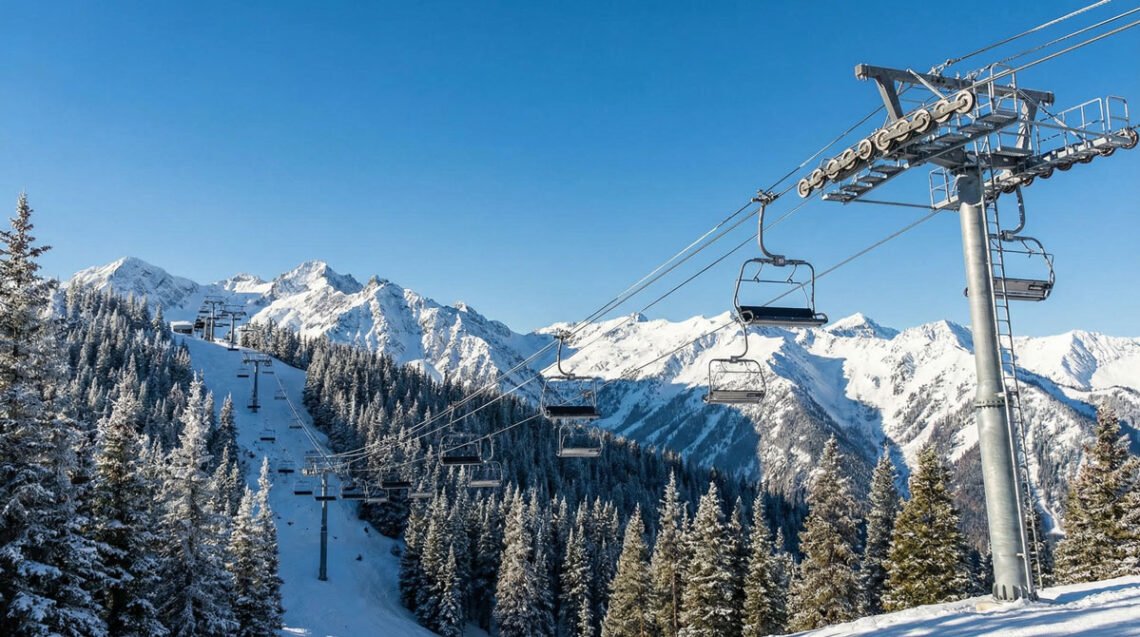
The crisp mountain air at Montana Snowbowl was shattered by a loud bang on Sunday, December 16, 2024. Near the base of the LaValle lift, an empty chair, moments after a lift operator had moved away, began to swing violently. It collided with the operator, and the force of the impact was enough to dislodge it from the haul rope. The chair then fell to the ground, a stark metal skeleton against the white snow.
Eyewitnesses, like snowboarder PJ Neary, described a scene of confusion. The sudden noise and the sight of the fallen chair prompted many skiers and snowboarders to abandon the lift line and hike back to the base, their day of skiing abruptly interrupted. The resort’s official statement, released shortly after, confirmed the basic facts: “An empty chair collided with a lift operator causing it to swing excessively and become dislodged from the line. No one was injured.” The lift was immediately closed for a thorough inspection by maintenance crews, who later deemed it safe to resume operations that same afternoon.
However, this incident did not happen in a vacuum. It was the second time in less than a year that a chair had failed at Montana Snowbowl, creating a disturbing pattern. In March 2023, a much more serious event unfolded on the Snowpark lift. A chair carrying a father and his four-year-old son struck a tower and broke apart. The child was thrown 15 feet to the hard-packed snow below. In a moment of sheer terror and instinct, the father jumped after his son. Miraculously, both survived, but the incident triggered an immediate investigation and a formal notice of concern from the U.S. Forest Service, which oversees the resort’s operations on public land. These two events, linked by their similar nature, raised serious questions about the safety and maintenance of the lifts at this beloved local ski hill.
How Ski Lifts Are Regulated: ANSI B77.1 Standards Explained
Behind every ski lift ride is a complex system of regulations designed to keep you safe. The backbone of this system in the United States is the ANSI B77.1 standard. This document, published by the American National Standards Institute, is the definitive guide for the design, construction, operation, and maintenance of passenger ropeways, including chairlifts, gondolas, and T-bars. It’s not just a set of recommendations; it’s a comprehensive rulebook that ski resorts are legally required to follow, often incorporated directly into state and federal law.
The standard is meticulously detailed. It dictates everything from the maximum speed a lift can travel—which varies based on the chair’s capacity—to the specific requirements for restraint bars and safety signs. For instance, a fixed-grip triple chair is limited to a speed of 500 feet per minute (2.5 m/s). The standard also mandates that lifts must have robust evacuation systems in place for emergencies, such as sudden, severe weather. If wind or icing conditions pose a hazard, operations must cease immediately.
For a resort like Montana Snowbowl, which operates on public land, there’s an additional layer of oversight from the U.S. Forest Service. Snowbowl operates under a 40-year Special Use Permit issued by the Lolo National Forest. This permit is not a blank check. It contractually obligates the resort to adhere to all ANSI B77.1 standards and gives the Forest Service the authority to conduct its own inspections and, if necessary, suspend or even revoke the permit if safety standards are not met. Following the March 2023 incident, this is exactly the authority the Forest Service exercised when it required Snowbowl to undergo a comprehensive, third-party inspection of all its lifts before being allowed to operate for the next season.
The Mechanics Behind Chairlift Failures: What Causes Chairs to Fall?
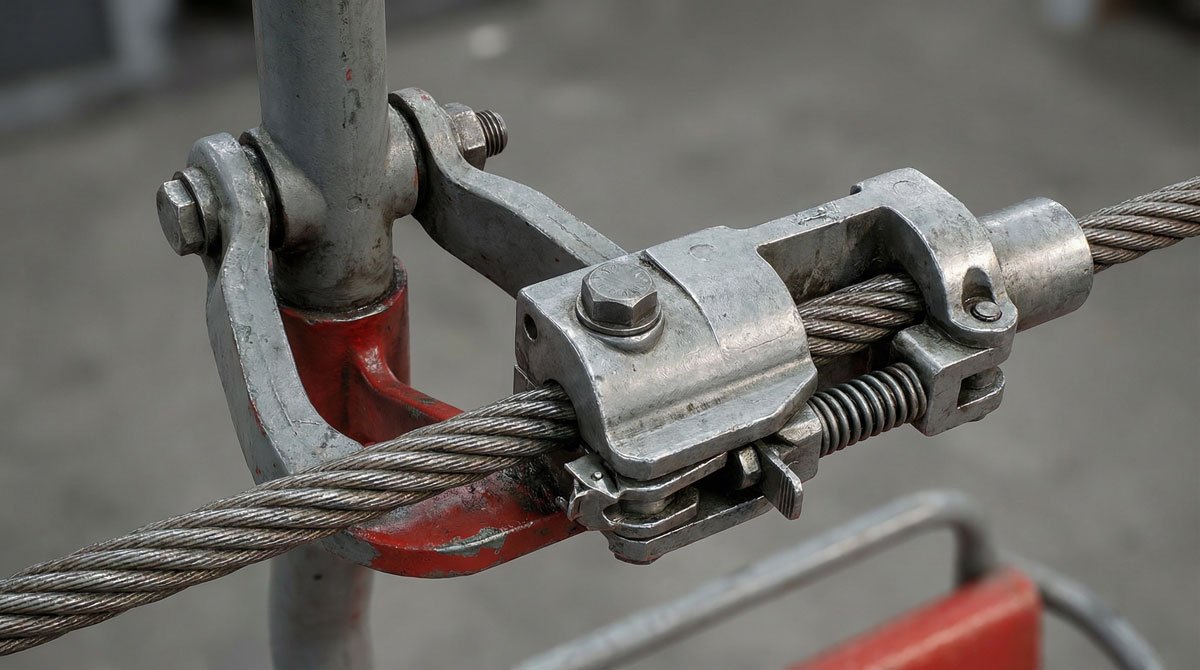
It’s a simple, terrifying question: how does a multi-hundred-pound steel chair just fall off a cable? The answer is rarely simple. While incredibly infrequent, chairlift failures are complex events that can stem from a combination of mechanical issues, environmental factors, and human error. Understanding the engineering behind these systems reveals just how many things have to go right for them to work, and what can happen when one of them goes wrong.
The heart of the connection between the chair and the cable is the grip. On older, fixed-grip lifts like those at Snowbowl, this is a powerful clamp bolted directly onto the haul rope. For a chair to become detached, this grip must fail. This can happen for several reasons: metal fatigue from decades of stress, corrosion that weakens the components, or a stress fracture from a sudden impact. The collision with the lift operator in the December 2024 incident appears to have provided that sudden, forceful impact, creating an excessive swinging motion that overwhelmed the grip’s ability to stay on the line.
However, it’s crucial to understand that mechanical failure is not the primary cause of lift incidents. Data from the National Ski Areas Association (NSAA) is startlingly clear: 86% of falls from lifts are attributed to passenger behavior. This includes everything from improper loading and unloading to bouncing in the chair or attempting to stand up. Only a tiny fraction—just 2%—are the direct result of a mechanical or operator error. This underscores the immense responsibility that both operators and riders have in the safety equation. Operators undergo training to manage the loading process, but a moment of distraction from either party can have consequences.
In the specific context of the Montana Snowbowl incident, the failure sequence began with a human element—the collision between the empty chair and the operator. This initiated a chain reaction, transforming human error into a mechanical failure. The subsequent inspection and reopening of the lift suggest the underlying components were not found to be faulty, but that the specific circumstances of the collision created forces beyond the system’s normal operating parameters. This highlights the delicate balance of forces that keep a chairlift running safely and how quickly an external event can disrupt it.
The Numbers Behind Ski Lift Safety: Comparing Risk to Other Activities
News of a chairlift failure can be alarming, but how common are these events? The statistics paint a picture of remarkable safety. When you step onto a ski lift, you are participating in one of the safest forms of transportation available. The data, compiled by the National Ski Areas Association (NSAA), consistently shows that the risk of a fatal incident on a ski lift is exceptionally low.
Between 1973 and 2020, a span of 47 years, there were only 14 fatalities in the United States resulting from a mechanical malfunction on a chairlift. With over 2,800 lifts operating at more than 470 ski areas nationwide, carrying hundreds of millions of passengers each year, this number is astoundingly small. The fatality rate is less than one in a million riders, a level of safety that rivals or even surpasses many other common activities.
To put this into perspective, let’s compare the risk. You are significantly more likely to be fatally injured in a car or even an elevator than on a ski lift. This data provides a crucial reality check, separating the visceral fear of a potential fall from the statistical probability of it actually happening.
| Activity | Comparative Fatality Risk vs. Ski Lift |
|---|---|
| Riding in a Car | 8 times more likely to suffer a fatality |
| Riding an Elevator | 5 times more likely to suffer a fatality |
| General Aviation | Significantly higher risk |
Source: National Ski Areas Association (NSAA) data analysis.
Furthermore, the vast majority of incidents that do occur are not caused by the lift itself. As mentioned, 86% of falls from chairlifts are attributed to passenger behavior or error. This includes everything from fumbling with gear during loading to leaning out too far. Mechanical failures account for a mere 2% of incidents. While recent events at resorts like Winter Park and Telluride, which involved mass evacuations from stalled lifts, have drawn media attention, they underscore that even when malfunctions happen, the safety systems in place are robust enough to prevent catastrophic outcomes.
What Montana Snowbowl Is Doing to Prevent Future Incidents
In the wake of two serious incidents in less than a year, Montana Snowbowl faced intense scrutiny from both the public and federal regulators. The resort’s response was multifaceted, involving immediate corrective actions, long-term investments in safety protocols, and a closer working relationship with the U.S. Forest Service. These steps were not just about fixing a broken chair; they were about rebuilding trust.
Following the March 2023 incident, the Lolo National Forest put Snowbowl on notice. The resort was required to take decisive action. That summer, they hired an independent, third-party tramway engineer to conduct a comprehensive inspection of all their lifts. This wasn’t just a routine check-up. The engineer’s mandate was to identify the root cause of the Snowpark lift failure and recommend concrete corrections. Snowbowl reported that it completed all the recommended fixes before the start of the next season.
Beyond mechanical repairs, the resort focused on its human systems. They implemented extra training for all lift operations staff, with a particular focus on new loading and unloading procedures designed to prevent the kind of incident that occurred in December 2024. Furthermore, Snowbowl invested in new tools and technologies to better document and monitor the loading process, creating a system of checks and balances to ensure protocols are followed consistently. This combination of mechanical upgrades and procedural enhancements demonstrates a commitment to addressing the problem from multiple angles.
The partnership with the U.S. Forest Service also intensified. Forest Service experts, including specialists in ski area operations and chairlift engineering, were brought in to work directly with Snowbowl’s team. This collaborative oversight ensures that the resort is not just meeting the letter of the law under its Special Use Permit, but is also benefiting from the institutional knowledge of its federal partners. The implicit threat of having their permit suspended or revoked provides a powerful incentive for the resort to maintain the highest safety standards.
Practical Chairlift Safety Tips: What Every Skier Should Know
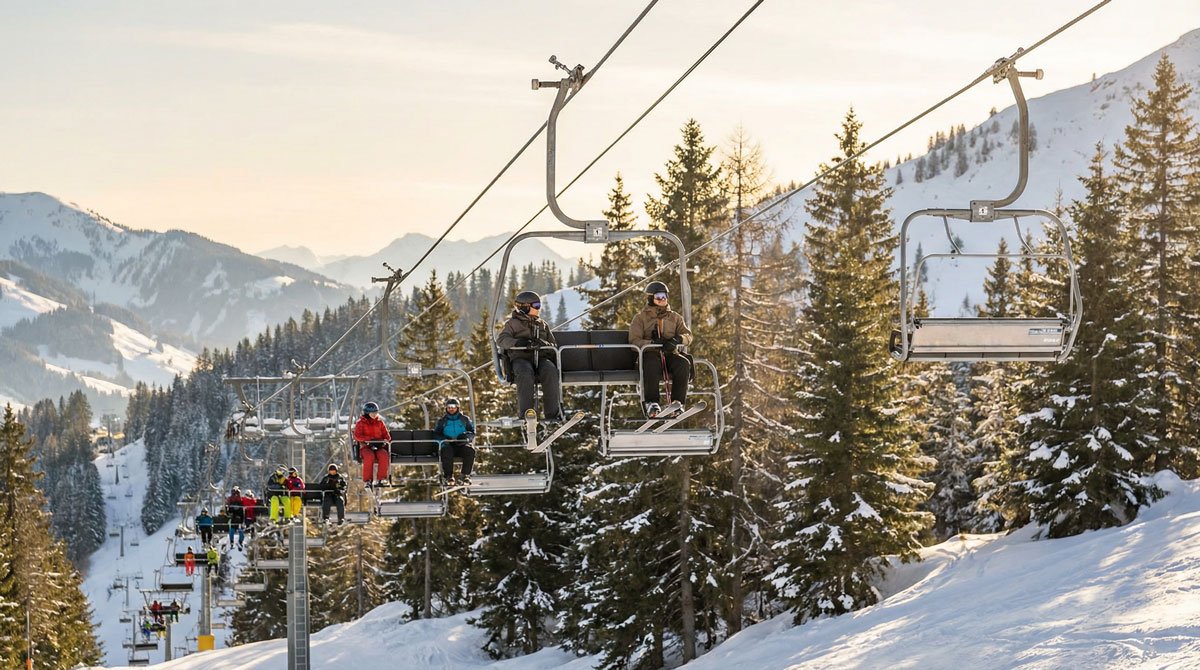
While ski resorts and regulatory bodies have a significant responsibility for lift safety, passengers play the most critical role in preventing accidents. The vast majority of incidents are caused by user error, which means that your actions directly impact your safety and the safety of others. By following a few simple, common-sense rules, you can ensure your ride up the mountain is as safe as it is scenic.
Before You Load
Preparation is key. Before you even enter the lift line, take a moment to get ready. Avoid distractions; this isn’t the time to be checking your phone. If you’re wearing a backpack, swing it around to your front or take it off completely. This prevents it from getting snagged on the chair. Also, be sure to remove your pole straps from your wrists. Finally, make sure everyone in your group is ready to load together. A little coordination goes a long way.
Riding the Lift
Once the chair approaches, sit down and move as far back as you can, so your back is flush with the back of the seat. As soon as everyone is seated, lower the restraint bar. Don’t assume someone else will do it. While riding, resist any temptation to bounce, swing, or stand up. If you drop something, let it go. You can always ask ski patrol for help retrieving it later. Your gear is not worth a dangerous fall.
Unloading Safely
As you approach the top terminal, prepare for the unload. Look for the signs that indicate when it’s time to raise the bar. Raise it smoothly and make sure everyone is ready. Keep your ski tips up and as you move over the ramp, stand up and glide away from the moving chair. It’s important to clear the unload area quickly to make room for the people on the chair behind you. If you fall while unloading, try to crawl or roll out of the way as quickly as possible. Lift operators are watching and will stop the lift if necessary, but your quick action can prevent a collision.
Industry Experts Weigh In: Understanding the Bigger Picture
To truly understand the context of the Montana Snowbowl incidents, it’s helpful to look at the ski industry as a whole. We spoke with experts who study, design, and manage mountain resorts to get their perspective. Their consensus is clear: while any incident is concerning, the overall safety record of ski lifts is a testament to decades of engineering refinement and stringent regulation.
Sean Doll, a professor in the Mountain Resort Management Program at Vermont State University, emphasizes that passengers should feel confident. “For the most part, I would say people have little to worry about when riding a lift of any kind,” he told SKI Magazine. “Like any other form of transportation, such as automobiles, airlines, etc., lift safety has improved through the years.” He notes that the industry is currently in a significant cycle of replacing and updating older lifts with the latest technology and safety features.
However, the issue of aging infrastructure is real. Many lifts still in operation across North America were installed decades ago. While regular maintenance and inspections can keep them running safely, older equipment is inherently more susceptible to issues like metal fatigue. This is why the ANSI B77.1 standard’s requirement for annual non-destructive testing of critical components is so important. It allows resorts to find and address potential problems before they lead to a failure.
The incidents at Snowbowl, while alarming, serve as a powerful reminder of the importance of this regulatory framework. They demonstrate that when standards are not met, or when unforeseen events occur, the system of checks and balances—from internal maintenance crews to third-party engineers and federal oversight—is designed to activate. The goal is always to learn from these events and continuously improve, ensuring that this remarkably safe form of transportation stays that way.
Your Questions About Ski Lift Safety Answered
- 1. What exactly happened at Montana Snowbowl in December 2024?
- On December 16, 2024, an empty chair on the LaValle lift struck an operator during the loading process. The impact caused the chair to swing excessively, detach from the haul rope, and fall to the ground. No one was injured in the incident, and the lift was reopened after a thorough inspection.
- 2. Was this the first time a chair has fallen at Montana Snowbowl?
- No, it was not. A more serious incident occurred in March 2023 on the Snowpark lift, where a chair broke apart after hitting a tower, causing a 4-year-old child to fall. This pattern of incidents prompted a significant response from the U.S. Forest Service and the resort.
- 3. How safe are ski lifts in general?
- Statistically, ski lifts are one of the safest forms of transportation. The National Ski Areas Association (NSAA) reports a fatality rate of less than one in a million. For comparison, you are five times more likely to die in an elevator accident and eight times more likely to die in a car accident than on a ski lift.
- 4. What is the most common cause of chairlift accidents?
- The overwhelming majority of chairlift incidents—86%—are caused by passenger error. This includes things like improper loading, dropping gear, or bouncing on the chair. Mechanical failures, like the one at Snowbowl, account for only 2% of all reported incidents.
- 5. What regulations do ski lifts have to follow?
- In the U.S., ski lifts must adhere to the stringent ANSI B77.1 standard, which covers everything from design and construction to operation and maintenance. Resorts on public land, like Snowbowl, also operate under a Special Use Permit from the U.S. Forest Service, which adds another layer of regulatory oversight and enforcement.
- 6. How does the U.S. Forest Service oversee ski area safety?
- The Forest Service acts as the landlord for ski areas on public land. They issue long-term permits that require strict adherence to safety standards like ANSI B77.1. They have the authority to conduct inspections, demand corrective actions, and even shut down a resort if it fails to comply, as they demonstrated by stepping in after the 2023 Snowbowl incident.
- 7. What specific steps has Montana Snowbowl taken to improve safety?
- Following the 2023 incident, Snowbowl hired independent engineers to inspect all lifts, implemented all recommended mechanical corrections, increased staff training, and adopted new loading protocols. They also invested in new technology to better monitor and document the loading process, creating more accountability.
- 8. Should I be worried about skiing at Montana Snowbowl?
- While the recent incidents are a valid cause for concern, it’s important to see them in the context of the resort’s and the industry’s overall safety record. Snowbowl has made significant, verifiable improvements under the close watch of federal regulators. The decision to ski there is a personal one, but the data suggests the risks remain extremely low.
- 9. What is the single most important thing I can do to stay safe on a chairlift?
- Pay attention. The majority of accidents are preventable and happen when passengers are distracted. Put your phone away, be aware of your surroundings, and listen to the lift operator’s instructions. Your attentiveness is the first and most effective line of defense.
- 10. What is the difference between a chair fall and a lift evacuation?
- A chair fall, like at Snowbowl, is when a single chair detaches from the cable. A lift evacuation, which has happened at other resorts, is when the entire lift stops due to a mechanical issue and passengers need to be rappelled down by ski patrol. Both are serious, but chair falls are far rarer.
The Bottom Line: Are Ski Lifts Safe?
The story of the Montana Snowbowl chair fell incidents is a story of moments—a sudden bang, a metal chair against the snow, a child’s terrifying fall. But it is also a story of systems. It shows that while mechanical failures and human errors can and do happen, a robust framework of regulation, inspection, and oversight is designed to respond and force improvement. The incidents at Snowbowl were not just accidents; they were catalysts for change, prompting necessary investment and a renewed focus on safety.
For skiers, the key takeaway is one of reassurance and responsibility. The data overwhelmingly confirms that ski lifts are an exceptionally safe mode of transport, far safer than the car you drive to the resort. However, safety is a shared responsibility. While resorts must maintain their equipment to the highest standards, passengers must also be attentive and follow the rules. The most critical safety feature on any chairlift is an informed and alert rider.
Ultimately, you can step into the lift line with confidence. The industry’s safety record is strong, and the regulatory system, as demonstrated at Montana Snowbowl, is effective at enforcing it. So, lower the bar, sit back, and enjoy the ride. The mountains are waiting.