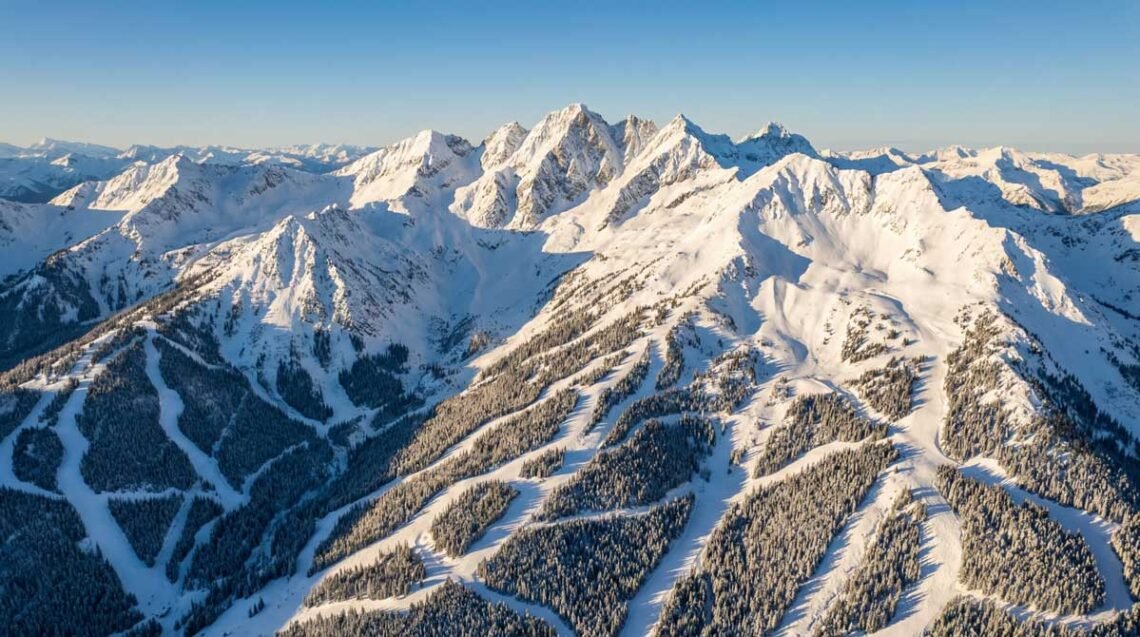
Have you ever found yourself lost in a blizzard of browser tabs, trying to plan the perfect ski trip among the top ski areas in North America? With over 600 resorts scattered across the continent, the sheer number of choices can feel more overwhelming than a double-black diamond run on a foggy day. You read one list that crowns a Utah resort as king, another that swears by the vast bowls of Colorado, and a third that sings praises of Canada’s epic scale. It’s a classic case of analysis paralysis.
How to Choose Your Perfect North American Ski Resort: A Skier’s Compass
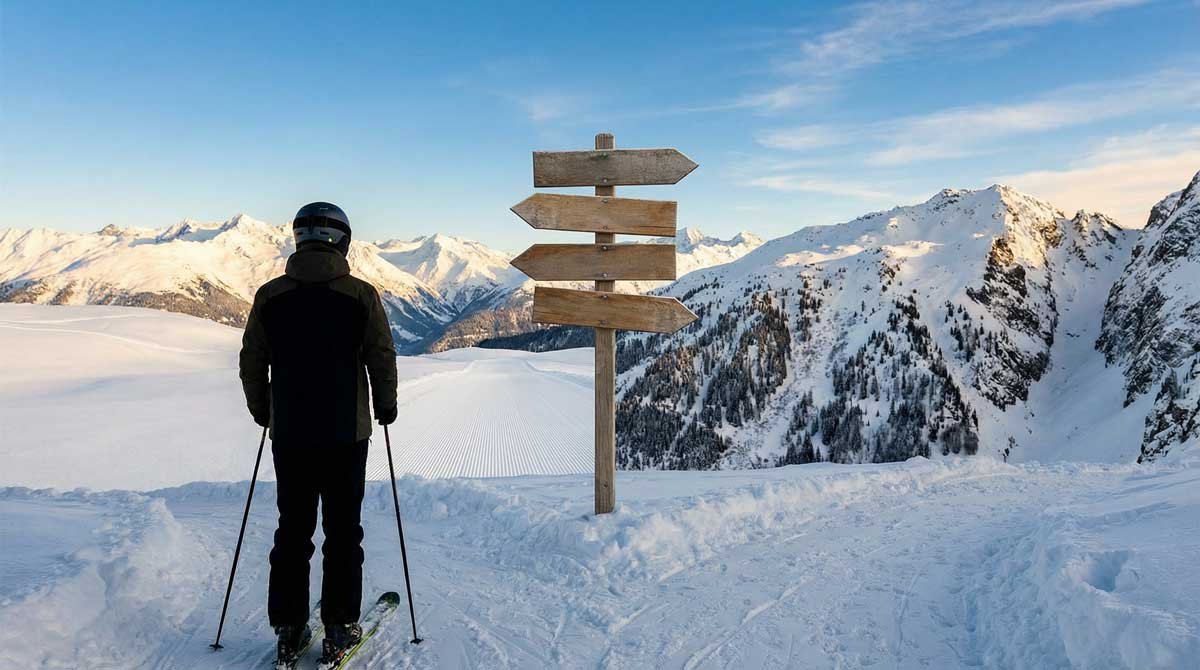
Finding the right ski resort is a lot like finding the right pair of ski boots; what works for one person might be a nightmare for another. Before you can find your perfect mountain among the best places to ski in North America, you need to know what kind of skier you are. Are you a powder hound, constantly checking the forecast and willing to hike for fresh tracks? Or are you a family vacationer, looking for gentle slopes and a village with plenty of hot chocolate options? Maybe you’re a luxury seeker who values five-star service and perfectly groomed corduroy, or a budget traveler looking for the most vertical feet for your dollar. Perhaps the quality of the après-ski scene is just as important as the quality of the snow.
Once you’ve identified your skier profile, you can use our five key factors to narrow down your choices. First, Terrain: Does the resort have the right mix of beginner, intermediate, and expert runs for your group? Second, Snow Quality: Are you looking for the light, dry powder of the Rockies, or the heavier, coastal snow of the Pacific Northwest? Third, Cost: What’s your budget for lift tickets, lodging, and food? Fourth, Accessibility: How easy is it to get to the resort? And finally, Mountain Culture: Are you looking for a vibrant, party-town atmosphere, or a quiet, laid-back vibe?
Use this framework as you read through our in-depth resort profiles in the next section. By matching your skier profile to these key factors, you’ll be able to cut through the noise and find the ski area that’s truly the best fit for you.
The Titans of North America: Top 10 Ski Areas Unveiled
1. Whistler Blackcomb, British Columbia
The Vibe: A sprawling, world-class behemoth with a vibrant, international pulse. Whistler is the kind of place that manages to be both a hardcore skier’s paradise and a welcoming resort for the entire family. The energy is palpable, from the bustling village to the vast alpine, a place where legendary lines and lifelong memories are made.
Best For: Unmatched variety, epic scale, and a world-class village experience.
The Mountain Lowdown: It’s hard to comprehend the scale of Whistler Blackcomb until you’re there. Two colossal mountains, Whistler and Blackcomb, are connected by the record-breaking PEAK 2 PEAK Gondola, creating a mind-boggling 8,171 acres of skiable terrain. The variety is simply staggering. You can spend your morning carving perfect groomers on Whistler, your afternoon exploring the high alpine glaciers of Blackcomb, and still only scratch the surface. For experts, the options are endless, from the steep chutes of Spanky’s Ladder to the legendary couloirs of Blackcomb Glacier. Intermediates will find a paradise of long, cruising runs, while beginners have dedicated learning zones with gentle slopes and magic carpets.
Snowfall & Conditions: Whistler’s coastal location means it gets hammered with snow, an average of 462 inches annually. This coastal snow can be heavier and wetter than the powder found in the Rockies, but when it’s good, it’s deep. The sheer size of the resort also means that you can often find good snow somewhere on the mountain, even if conditions are variable at the base.
Beyond the Slopes: The village of Whistler is a destination in itself. A pedestrian-only village with a vibrant atmosphere, it’s packed with world-class restaurants, lively bars, and a wide range of shops. The après-ski scene is legendary, with everything from sophisticated cocktail lounges to rowdy pubs with live music.
| Feature | Statistic |
|---|---|
| Skiable Acres | 8,171 |
| Vertical Drop | 5,280 ft |
| Lifts | 37 |
| Avg. Snowfall | 462 in |
| Pass | Epic |
2. Jackson Hole, Wyoming
The Vibe: Raw, rugged, and unapologetically wild. Jackson Hole is where skiers go to test their mettle against some of the most challenging inbound terrain in North America. It’s a place that commands respect, with a palpable sense of adventure and a deep connection to the untamed spirit of the American West.
Best For: Legendary expert terrain, breathtaking scenery, and a true big-mountain experience.
The Mountain Lowdown: Jackson Hole is a mountain of legends, and for good reason. Its reputation is built on Corbet’s Couloir, a terrifying, do-or-die drop-in that has become a rite of passage for expert skiers. But Corbet’s is just the beginning. The mountain is a playground of steep chutes, tight trees, and wide-open bowls that will challenge even the most seasoned skiers. The Aerial Tram, Big Red, is an icon, whisking skiers 4,139 vertical feet to the summit of Rendezvous Mountain, where 360-degree views of the Teton Range await. While Jackson Hole is best known for its expert skiing in North America, it has made significant efforts in recent years to expand its intermediate offerings, with a variety of long, cruising groomers and more forgiving bowls.
Snowfall & Conditions: Located in the heart of the Tetons, Jackson Hole is blessed with abundant, high-quality snow. The resort averages a whopping 459 inches of dry, light powder each year. The cold, dry climate helps to preserve the snow quality, making for some of the best powder days you’ll ever experience.
Beyond the Slopes: The town of Jackson, a short drive from the resort, is a charming blend of Old West heritage and modern mountain-town chic. You’re just as likely to see cowboys in Stetsons as you are to see skiers in the latest gear. The town square, with its iconic elk-antler arches, is the heart of the action, with a variety of restaurants, bars, and art galleries. The Million Dollar Cowboy Bar, with its saddle bar stools, is a must-visit for a taste of local flavor.
| Feature | Statistic |
|---|---|
| Skiable Acres | 2,500 |
| Vertical Drop | 4,139 ft |
| Lifts | 13 |
| Avg. Snowfall | 459 in |
| Pass | Ikon |
3. Alta, Utah
The Vibe: Pure, unadulterated skiing. Alta is a shrine to the soul of the sport, a place where the focus is solely on the mountain, the snow, and the turn. It’s a throwback to a simpler time, with a friendly, local feel and a deep reverence for the traditions of skiing. Snowboarders need not apply; this is a skier’s mountain, and proud of it.
Best For: The best snow on earth, classic powder skiing, and a purist’s atmosphere.
The Mountain Lowdown: Alta is a magical place, a narrow canyon that seems to have its own personal snow-making machine in the sky. The terrain is a playground of bowls, chutes, and glades that are perfectly designed for powder skiing. The mountain has a natural flow to it, with a series of interconnected bowls that allow you to follow the fall line and find fresh tracks all day long. The Collins and Wildcat lifts access some of the most iconic terrain, including the High Traverse, which leads to a series of steep, north-facing shots that hold snow for days after a storm. While Alta is known for its expert terrain, it also has a fantastic variety of intermediate runs and a top-notch ski school, making it a great place for skiers of all abilities to improve their skills.
Snowfall & Conditions: Alta is the undisputed king of snow. With an average of 547 inches of the lightest, driest powder on the planet, it’s a place where you’re more likely to be skiing too much snow than not enough. The “Alta Glow” is a real phenomenon, as the clouds part after a storm to reveal a world blanketed in a sea of white.
Beyond the Slopes: The town of Alta is small and unassuming, with a handful of classic ski lodges that have been there for decades. The vibe is all about skiing, with little in the way of nightlife or shopping. The Goldminer’s Daughter and the Peruvian Lodge are iconic institutions, where skiers gather after a day on the slopes to share stories and a cold beer.
| Feature | Statistic |
|---|---|
| Skiable Acres | 2,614 |
| Vertical Drop | 2,538 ft |
| Lifts | 7 |
| Avg. Snowfall | 547 in |
| Pass | Ikon |
4. Snowbird, Utah
The Vibe: Steep, deep, and challenging. Snowbird is Alta’s rowdier, more aggressive neighbor, a place that pushes the boundaries of what’s possible on a pair of skis. It’s a mountain that demands your full attention, with a raw, untamed energy and a relentless vertical drop.
Best For: Challenging expert terrain, steep chutes, and a long season.
The Mountain Lowdown: Snowbird is a beast. The Aerial Tram is the heart of the resort, a 125-person tram that whisks you to the top of Hidden Peak in just a few minutes, accessing a world of steep bowls, tight chutes, and technical traverses. The Cirque is the main event, a massive, north-facing bowl with a series of expert lines that will test the skills of even the most seasoned skiers. But Snowbird is not just for experts. The resort has a great selection of intermediate terrain, including the long, cruising groomers of Mineral Basin, a sunny, back-bowl that offers a completely different experience from the front side of the mountain.
Snowfall & Conditions: Like its neighbor, Alta, Snowbird is blessed with an abundance of light, dry Utah powder. The resort averages over 500 inches of snow a year, and its north-facing aspect helps to preserve the snow quality long after a storm has passed. Snowbird also has one of the longest seasons in North America, often staying open well into May.
Beyond the Slopes: Snowbird has a more modern, purpose-built village than Alta, with a variety of hotels, restaurants, and shops. The Cliff Lodge is the centerpiece of the village, a massive, concrete structure that is a marvel of mountain architecture. The Aerie Restaurant and Lounge, at the top of the Cliff Lodge, offers fine dining with stunning views of the surrounding peaks.
| Feature | Statistic |
|---|---|
| Skiable Acres | 2,500 |
| Vertical Drop | 3,240 ft |
| Lifts | 14 |
| Avg. Snowfall | 500 in |
| Pass | Ikon |
5. Vail, Colorado
The Vibe: The undisputed king of American ski resorts, Vail is a vast, luxurious, and impeccably run machine. It’s a world of perfectly groomed slopes, high-speed lifts, and a village that feels like a slice of the Bavarian Alps dropped into the heart of the Rockies.
Best For: Unparalleled intermediate terrain, a world-class village, and a seamless guest experience.
The Mountain Lowdown: Vail is enormous. With 5,317 acres of skiable terrain, it’s one of the largest ski resorts in North America. The front side of the mountain is a paradise for intermediates, with a seemingly endless network of wide, cruising groomers. But the real magic of Vail lies in its legendary Back Bowls. Seven of them, to be exact, offering a vast, open playground of powder-filled bowls and glades. On a powder day, there’s nothing quite like the feeling of dropping into Sun Up or Sun Down Bowl and finding your own private stash of fresh snow.
Snowfall & Conditions: Vail gets a respectable 354 inches of snow a year. While it may not get the same quantity of snow as the Utah resorts, the quality is still excellent, with plenty of light, dry Colorado powder to go around. The resort’s extensive grooming fleet ensures that even when it’s not a powder day, the skiing is still top-notch.
Beyond the Slopes: Vail Village is the gold standard for American ski resort villages. A charming, pedestrian-only village with heated streets, it’s filled with luxury hotels, high-end boutiques, and world-class restaurants. The après-ski scene is vibrant and varied, with everything from sophisticated wine bars to lively pubs.
| Feature | Statistic |
|---|---|
| Skiable Acres | 5,317 |
| Vertical Drop | 3,450 ft |
| Lifts | 31 |
| Avg. Snowfall | 354 in |
| Pass | Epic |
6. Telluride, Colorado
The Vibe: A box-canyon jewel with a soul that’s equal parts rugged Old West and sophisticated mountain town. Telluride is a place of stunning beauty and fierce independence, a resort that has managed to maintain its authentic character despite its world-class reputation.
Best For: Breathtaking scenery, challenging expert terrain, and a historic town with a unique character.
The Mountain Lowdown: Telluride is a mountain of contrasts. The front side of the mountain, which rises directly from the town of Telluride, is a collection of steep, challenging bump runs that will test the legs of even the most seasoned skiers. The back side of the mountain, accessed by the free pedestrian gondola, is a more modern, purpose-built village with a variety of intermediate and beginner terrain. The real gems of Telluride, however, are the hike-to terrain of Palmyra Peak and the Gold Hill Chutes, which offer some of the most spectacular and challenging in-bounds skiing in North America.
Snowfall & Conditions: Telluride gets a respectable 280 inches of snow a year. While it may not be the snowiest resort in Colorado, its high elevation and north-facing aspect help to preserve the snow quality.
Beyond the Slopes: The town of Telluride is a National Historic Landmark, a beautifully preserved Victorian mining town nestled in a stunning box canyon. The town is connected to the modern Mountain Village by a free pedestrian gondola, the only one of its kind in North America. The town has a laid-back, bohemian vibe, with a great selection of independent shops, art galleries, and award-winning restaurants.
| Feature | Statistic |
|---|---|
| Skiable Acres | 2,000+ |
| Vertical Drop | 4,425 ft |
| Lifts | 19 |
| Avg. Snowfall | 280 in |
| Pass | Epic |
7. Aspen Snowmass, Colorado
The Vibe: A glamorous and sophisticated winter playground with a surprisingly down-to-earth soul. Aspen Snowmass is actually four distinct ski areas—Snowmass, Aspen Mountain, Aspen Highlands, and Buttermilk—each with its own unique character. It’s a place where you can rub shoulders with celebrities one minute and be sharing a lift with a lifelong local the next.
Best For: Four mountains, one lift ticket, and a world-class town with a legendary cultural scene.
The Mountain Lowdown: The four mountains of Aspen Snowmass offer an incredible variety of terrain. Snowmass is the largest of the four, a massive mountain with something for everyone, from gentle beginner slopes to the challenging steeps of the Cirque. Aspen Mountain, or “Ajax” as it’s known to locals, rises directly from the town of Aspen and is a playground for intermediate and expert skiers. Aspen Highlands is a local’s favorite, with its uncrowded slopes and the legendary hike-to terrain of the Highland Bowl. And Buttermilk is a paradise for beginners and families, with its wide, gentle slopes and world-class ski school. It’s also home to the X Games.
Snowfall & Conditions: Aspen Snowmass gets an average of 300 inches of snow a year. Like other Colorado resorts, the snow is light, dry, and plentiful.
Beyond the Slopes: The town of Aspen is a world-renowned destination for a reason. It’s a vibrant, sophisticated town with a rich history and a thriving cultural scene. The town is packed with art galleries, museums, high-end boutiques, and award-winning restaurants. The Wheeler Opera House, a beautifully restored Victorian theater, hosts a variety of performances throughout the winter.
| Feature | Statistic |
|---|---|
| Skiable Acres | 5,500+ (total) |
| Vertical Drop | 4,406 ft (Snowmass) |
| Lifts | 43 (total) |
| Avg. Snowfall | 300 in |
| Pass | Ikon |
8. Park City Mountain Resort, Utah
The Vibe: A sprawling, accessible, and incredibly diverse resort that truly has something for everyone. As the largest ski resort in the United States, Park City offers a mind-boggling amount of terrain, all connected to a vibrant, historic mining town.
Best For: Endless variety, family-friendly amenities, and a world-class ski town with easy airport access.
The Mountain Lowdown: In 2015, Park City and Canyons Resort were connected by a gondola, creating a single, massive resort with over 7,300 acres of skiable terrain. The result is a resort with two distinct personalities. The Park City side is a classic, with a mix of groomers, bumps, and bowls that rise directly from the town. The Canyons side is a more modern, purpose-built resort with a series of pods that offer a huge variety of terrain, from gentle beginner slopes to challenging expert chutes. The sheer size of the resort means you could ski for a week and never ski the same run twice.
Snowfall & Conditions: Park City benefits from the same lake-effect snow that blesses its neighbors in Little Cottonwood Canyon, though to a slightly lesser extent. The resort averages a healthy 355 inches of snow a year, with plenty of Utah’s signature light, dry powder.
Beyond the Slopes: The town of Park City is a destination in its own right. A former silver mining boomtown, it has a beautifully preserved historic Main Street that is now home to a huge variety of restaurants, bars, art galleries, and boutiques. The town is also home to the Sundance Film Festival, which takes over the town for two weeks every January.
| Feature | Statistic |
|---|---|
| Skiable Acres | 7,300+ |
| Vertical Drop | 3,226 ft |
| Lifts | 41 |
| Avg. Snowfall | 355 in |
| Pass | Epic |
9. Big Sky, Montana
The Vibe: Big, bold, and wide-open. Big Sky lives up to its name, with a massive, sprawling mountain that feels a world away from the crowds of Colorado and Utah. It’s a place of vast, empty slopes, breathtaking views, and a sense of untamed wilderness.
Best For: Uncrowded slopes, a huge variety of terrain, and a true big-mountain feel.
The Mountain Lowdown: Big Sky is the second-largest ski resort in the United States, with 5,850 acres of skiable terrain. The mountain is dominated by the iconic Lone Peak, a massive, pointed peak that offers some of the most challenging in-bounds skiing in North America. The Lone Peak Tram takes you to the summit, where you can choose from a variety of steep, technical lines that will test your nerve. But Big Sky is not just for experts. The resort has a huge amount of intermediate and beginner terrain, with long, cruising groomers and wide-open bowls that are perfect for learning.
Snowfall & Conditions: Big Sky gets a respectable 400 inches of snow a year. The cold, dry climate of Montana helps to keep the snow light and fluffy, and the lack of crowds means that you can often find fresh tracks days after a storm.
Beyond the Slopes: The village at Big Sky is a modern, purpose-built village with a variety of hotels, restaurants, and shops. It’s a quiet, family-friendly village with a laid-back atmosphere. The nearby town of Bozeman, about an hour’s drive away, is a vibrant college town with a great selection of restaurants, breweries, and live music venues.
| Feature | Statistic |
|---|---|
| Skiable Acres | 5,850 |
| Vertical Drop | 4,350 ft |
| Lifts | 36 |
| Avg. Snowfall | 400 in |
| Pass | Ikon |
10. Revelstoke, British Columbia
The Vibe: A powder-choked paradise for the adventurous skier. Revelstoke is a place of deep snow, big mountains, and a relentless vertical drop. It’s a resort that is still relatively new on the scene, but it has quickly gained a reputation as one of the best places in the world for powder skiing.
Best For: Deep powder, big-mountain skiing, and the longest vertical drop in North America.
The Mountain Lowdown: Revelstoke is all about the vertical. With a staggering 5,620 feet of lift-serviced vertical, it’s the longest in North America. The mountain is a playground for advanced and expert skiers, with a huge variety of bowls, chutes, and glades. The Stoke Chair and the Ripper Chair access some of the best terrain, including the legendary North Bowl, a massive, north-facing bowl that holds snow for weeks after a storm. The resort also offers cat-skiing and heli-skiing right from the village, giving you access to an even bigger playground.
Snowfall & Conditions: Revelstoke is located in the heart of the Selkirk Mountains, a range that is known for its deep, consistent snowfall. The resort averages 344 inches of snow a year, but it’s not uncommon for it to get much more than that. The snow is a perfect mix of coastal and interior powder, with a bit more moisture than the snow in the Rockies, but still light and fluffy enough to make for some incredible powder days.
Beyond the Slopes: The town of Revelstoke is a historic railway town with a charming, authentic feel. It’s a friendly, down-to-earth town with a great selection of local restaurants, pubs, and shops. The town is also a hub for a variety of other winter activities, including snowmobiling, cross-country skiing, and snowshoeing.
| Feature | Statistic |
|---|---|
| Skiable Acres | 3,121 |
| Vertical Drop | 5,620 ft |
| Lifts | 7 |
| Avg. Snowfall | 344 in |
| Pass | Ikon |
At a Glance: Comparing the Top 10 Ski Resorts
| Resort | Best For | Avg. Snowfall (in) | Skiable Acres | Vertical Drop (ft) | Pass |
|---|---|---|---|---|---|
| Whistler Blackcomb | Unmatched Variety | 462 | 8,171 | 5,280 | Epic |
| Jackson Hole | Legendary Expert Terrain | 459 | 2,500 | 4,139 | Ikon |
| Alta | The Best Snow on Earth | 547 | 2,614 | 2,538 | Ikon |
| Snowbird | Challenging Expert Terrain | 500 | 2,500 | 3,240 | Ikon |
| Vail | Unparalleled Intermediate Terrain | 354 | 5,317 | 3,450 | Epic |
| Telluride | Breathtaking Scenery | 280 | 2,000+ | 4,425 | Epic |
| Aspen Snowmass | Four Mountains, One Ticket | 300 | 5,500+ | 4,406 | Ikon |
| Park City | Endless Variety | 355 | 7,300+ | 3,226 | Epic |
| Big Sky | Uncrowded Slopes | 400 | 5,850 | 4,350 | Ikon |
| Revelstoke | Deep Powder | 344 | 3,121 | 5,620 | Ikon |
The Great Debate: Colorado vs. Utah vs. British Columbia for the Best Skiing
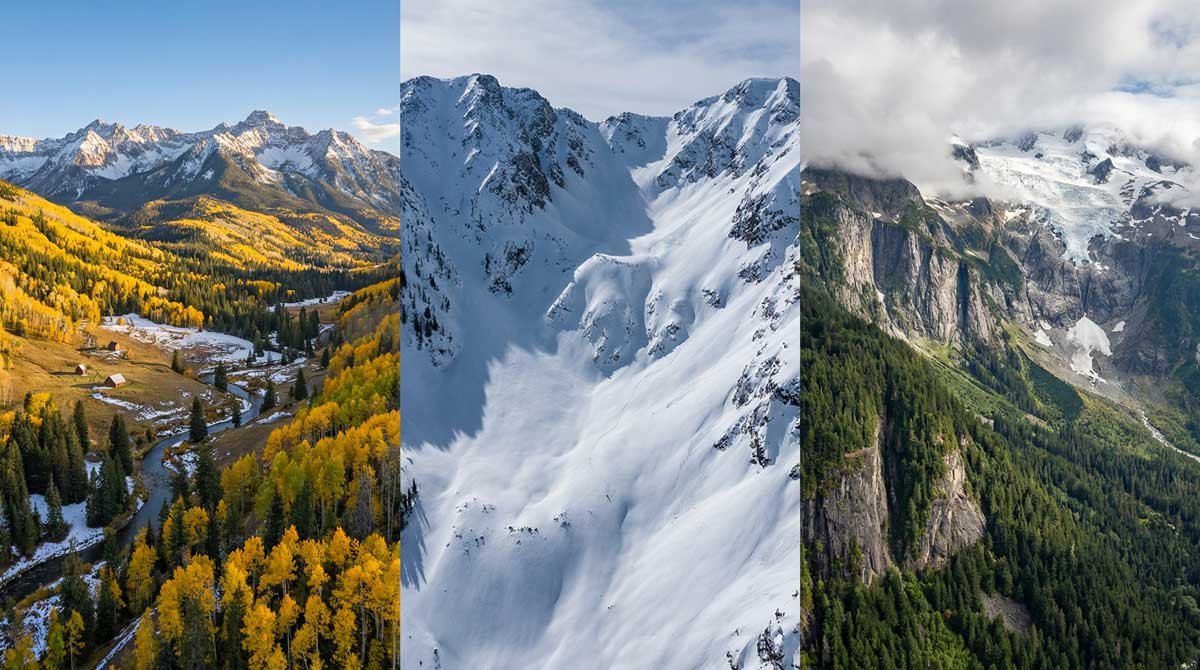
Choosing a ski destination often comes down to a regional battle. Each of these three powerhouses offers a world-class experience, but with distinct flavors. Here’s how they stack up.
Colorado: The Empire of Skiing
The Pros: Colorado is the undisputed king of the American ski industry, and for good reason. The state boasts an incredible concentration of large, well-developed resorts, including Vail, Aspen Snowmass, Telluride, and Breckenridge. The variety is staggering, and the ski towns are legendary, with a vibrant culture and endless amenities. The sun is also a major factor; Colorado is known for its bluebird powder days, where you can enjoy fresh snow under sunny skies.
The Cons: The biggest downside to Colorado skiing is the crowds. The I-70 corridor, which provides access to many of the state’s top resorts, can be a parking lot on weekend mornings. The popularity of the resorts also means higher prices for everything from lift tickets to lodging.
Utah: The Land of Powder
The Pros: Utah’s license plates proudly proclaim “The Greatest Snow on Earth,” and it’s hard to argue. The Wasatch Mountains, home to Alta, Snowbird, and Park City, are perfectly positioned to receive massive amounts of light, dry, lake-effect snow. The proximity of the resorts to Salt Lake City International Airport is another huge advantage; you can be on the slopes within an hour of landing.
The Cons: While the Salt Lake City-adjacent resorts are incredibly convenient, some of the ski towns, particularly those in Little Cottonwood Canyon (Alta and Snowbird), are more focused on the skiing than the nightlife. If a vibrant bar scene is a top priority, you might find the options more limited than in Colorado.
British Columbia: The Wild North
The Pros: British Columbia is all about scale. The mountains are bigger, the vertical is longer, and the wilderness feels more untamed. Resorts like Whistler Blackcomb and Revelstoke offer a sense of epic adventure that is hard to match. The scenery is also jaw-dropping, with jagged peaks, massive glaciers, and ancient forests.
The Cons: The weather in British Columbia can be more variable than in the Rockies. The coastal location of Whistler means that the snow can be heavier and wetter, and fog is a more common occurrence. The resorts are also more remote, requiring a longer travel day for most visitors.
The Price of Powder: A Realistic Budget Guide for the North America Ski Season
A ski trip to one of North America’s top resorts is an unforgettable experience, but it can also be a significant investment. Understanding the costs involved is the first step to planning a trip that fits your budget. Here’s a realistic breakdown of what you can expect to spend during the North America ski season.
The Main Costs
Lift Tickets/Passes: This is one of the biggest expenses. A single-day lift ticket at a top resort can run you over $250 during peak season. The best way to save money is to buy a multi-day pass in advance or, if you plan to ski more than a few days, an Epic or Ikon Pass.
Lodging: Your accommodation costs will vary widely depending on where you stay. Ski-in/ski-out condos and luxury hotels will be the most expensive, while staying in a nearby town or a budget hotel can save you a significant amount of money.
Flights/Transport: Flights into major mountain airports like Denver (DEN) or Salt Lake City (SLC) can be expensive, especially during peak season. Consider flying into a larger, more distant airport and renting a car to save money. Once you’re at the resort, many towns have free bus systems to get you around.
Food & Drink: Eating on the mountain can be pricey. A simple lunch can easily cost you $30 or more. To save money, pack your own lunch and snacks, and look for happy hour deals in the village.
Gear Rental: If you don’t have your own gear, you’ll need to rent skis or a snowboard, boots, and a helmet. Renting from a shop in town is often cheaper than renting at the resort.
Budget Tiers
Budget-Conscious: Look for smaller, independent resorts, or stay in a town further away from the main resort. Pack your own lunches, and look for deals on multi-day lift tickets. Expect to spend around $150-$250 per person, per day.
Mid-Range: Stay in a condo with a kitchen so you can cook some of your own meals. Buy your lift tickets in advance, and enjoy a mix of on-mountain and in-town dining. Expect to spend around $250-$500 per person, per day.
Luxury: Stay in a ski-in/ski-out hotel with all the amenities. Enjoy fine dining on and off the mountain, and book a private lesson to get the most out of your time on the slopes. The sky is the limit, but expect to spend at least $500-$1,000+ per person, per day.
FAQ – Your North American Ski Questions Answered
- 1. What is the #1 ski resort in North America?
- While many publications and skiers have their favorites, Whistler Blackcomb in British Columbia consistently ranks at or near the top of most lists. Its sheer size, incredible terrain variety, and world-class village make it the most well-rounded and impressive ski resort in North America. However, the “best” resort is subjective and depends on your priorities. For pure snow quality, Alta in Utah is often considered #1.
- 2. Which US state has the best skiing, Colorado or Utah?
- This is the great debate in American skiing. Utah is famous for having “The Greatest Snow on Earth®,” thanks to the lake effect from the Great Salt Lake, which produces incredibly light and dry powder. Resorts like Alta and Snowbird are legendary for their snow quality. Colorado, on the other hand, has a larger number of world-class resorts, including Vail, Aspen, and Telluride, with vast terrain and vibrant ski towns. Ultimately, Utah is better for powder purists, while Colorado offers more variety in terms of resorts and towns.
- 3. What is the biggest ski area in North America?
- By a significant margin, the biggest ski area in North America is Whistler Blackcomb in British Columbia, with over 8,171 acres of skiable terrain. In the United States, the largest is Park City Mountain Resort in Utah, with over 7,300 acres.
- 4. When is the absolute best time to plan a ski trip for powder?
- For the best chance of scoring deep, fresh powder, the sweet spot is typically from late January to early March. This period, often referred to as the “powder window,” is when the snowpack is deepest and storms are most frequent and consistent across the major ski regions of the Rockies and the West.
- 5. Is an Epic Pass or Ikon Pass better for skiing in North America?
- This depends entirely on which resorts you want to ski. The Epic Pass, owned by Vail Resorts, gives you access to places like Whistler Blackcomb, Vail, Park City, and Telluride. The Ikon Pass offers access to a different roster of premier resorts, including Aspen Snowmass, Jackson Hole, Alta/Snowbird, and Big Sky. The best approach is to look at the list of resorts on each pass and see which one aligns better with your dream ski destinations.
Conclusion & Your Next Move
Choosing a ski resort is a personal journey, a quest to find the mountain that speaks to your soul. We’ve given you the compass—the data, the insights, and the stories—to navigate the vast and exciting landscape of North American skiing and find the top ski areas in North America for you. You’re now equipped to look beyond the rankings and make an informed choice that aligns with your budget, your style, and your sense of adventure.
The perfect powder day, the perfect groomer, the perfect après-ski moment—it’s all out there waiting for you. The only question left is, where will your skis take you next? Share your dream destination or your next planned ski trip in the comments below!

