Yes, you can ski in Hungary, at about 15 small resorts. None of them will remind you of the Alps, and the sooner you accept that, the more fun you will have here.
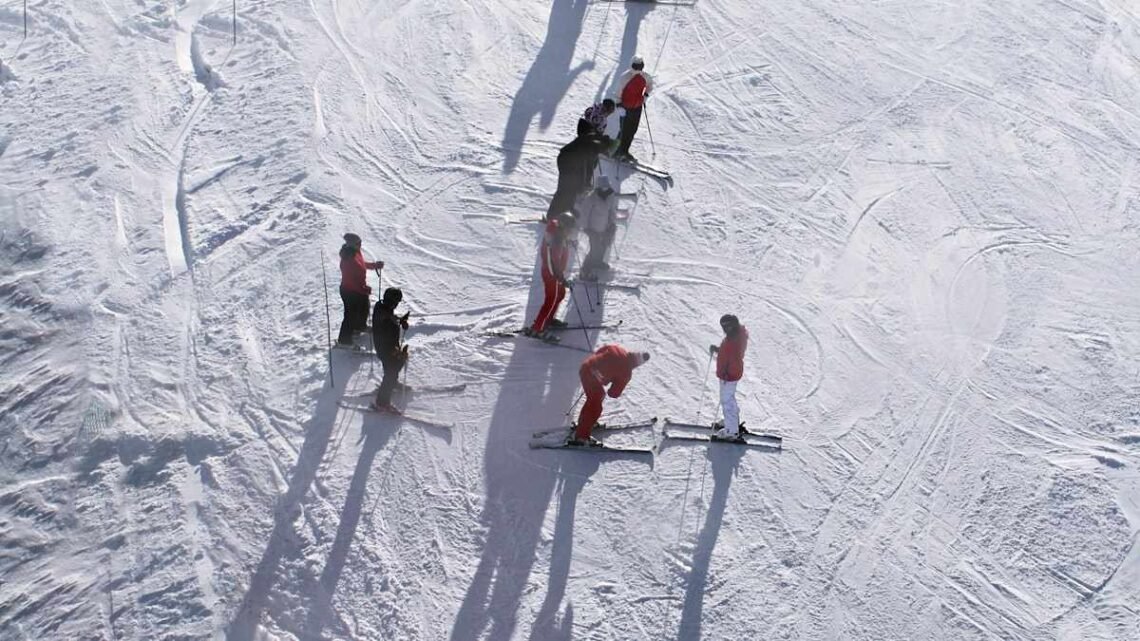
This is small-hill skiing: short lifts, gentle slopes, snow cannons doing most of the work, and day passes that cost less than lunch in a Tyrolean mountain hut. For learning, for kids, and for a spontaneous day trip from Budapest, that trade works.
If you are choosing between a Hungarian hill and a proper Alpine week, this is not a hard decision. If you are already in Hungary in January and want snow under your feet by lunchtime, read on.
What Skiing in Hungary Actually Looks Like
Skiing in Hungary means lift-served hills between roughly 150 and 1,000 metres, with vertical drops under 250 metres and slopes measured in single-digit kilometres. The country’s entire slope inventory is smaller than one mid-sized Austrian resort.
Hungarians argue about this with their neighbors, and the internet version of that argument is short:
“There is no Alpine part of Hungary. There’s some hills.”
– r/howislivingthere, April 2026 (152 upvotes)
The locals’ defense is charming rather than convincing:
“there is a littel Alpine part there, we call it Alpokalja – Under Alps”
– r/howislivingthere, April 2026 (27 upvotes)
Both sides are right. The skiing happens mostly in the Mátra and Bakony ranges, on wide, groomed, snowmaking-covered runs that suit first-timers and families far better than anyone chasing vertical.
The rating site skiresort.info scores Hungary’s best resort about 2.6 stars out of 5, and that number is honest. Nobody flies here for the terrain; people ski here because it is close, cheap, and open after dark.
The Five Resorts Worth Your Time
Síaréna Eplény is the biggest and best-equipped resort, Kékestető is the highest, and Mátraszentistván is the family favorite. The other dozen areas are village tows you visit only if you live nearby.
| Resort | Region | Slopes | Day pass (approx.) | Best for |
|---|---|---|---|---|
| Síaréna Eplény | Bakony, near Veszprém | ~8 km, 9 lifts | HUF 15,100 / €42 | Most terrain, night skiing |
| Sípark Mátraszentistván | Mátra | ~4 km, 8 lifts | HUF 13,500 / €37 | Families, ski school |
| Kékestető | Mátra, highest point | ~3 km, 5 lifts | HUF 7,000 / €19 | Budget days, altitude snow |
| Nagyvillám | Visegrád, Danube Bend | ~3 km | HUF 9,700 / €27 | Closest to Budapest |
| Zemplén Adventure Park | Zemplén, northeast | ~2 km + chairlift | varies by activity | Combining skiing with a family outing |
Eplény earns the top spot with the country’s longest slope network and, according to local ski portal Sielok, more than 4 kilometres of illuminated runs for evening sessions. If you have exactly one ski day in Hungary, spend it here.
Kékestető sits on Kékes, Hungary’s highest peak at 1,014 metres, which buys it the most reliable natural snow in the country. The runs beside the TV tower are short, but a roughly €19 day pass keeps expectations calibrated.
Mátraszentistván runs the most organized ski school scene, which is why weekend mornings look like a kindergarten in helmets. Book lessons ahead in high season.
Nagyvillám at Visegrád is the one you pick for logistics, not skiing. It is the closest slope to Budapest and hangs above the Danube Bend, so the view beats the terrain.
When to Go: Season and Snow Reality
The realistic season runs from around mid-December to late February, and almost every open slope depends on snowmaking. Cold snaps make the season; mild winters shrink it to scattered weekends.
These hills sit low, so natural snowfall comes and goes even in January. Resorts blast the cannons through every cold night before a weekend, which is why a frozen Tuesday often decides whether Saturday happens.
Check the resort’s webcam and Facebook page the morning you plan to drive out, not the night before. Locals treat open-slope announcements as day-to-day news, and you should too.
What a Ski Day Costs
Day passes across Hungarian resorts run roughly €17 to €42, with full equipment rental adding about €15 to €25. A family ski day here costs close to what lift tickets alone cost in the Alps.
That price gap is the entire argument for skiing in Hungary. A beginner burning through their first ten days of falling does not need 1,500 metres of vertical; they need cheap laps, and cheap laps are exactly what these hills sell.
Budget extras stay modest too: mulled wine and lángos at the base hut cost a fraction of Alpine hut prices, and parking is usually free or a few euros.
Getting There From Budapest
Every major Hungarian ski area works as a car day trip from Budapest: Visegrád in about an hour, Eplény and the Mátra resorts in under two, and only Zemplén stretching to three. Public transport works but eats the morning.
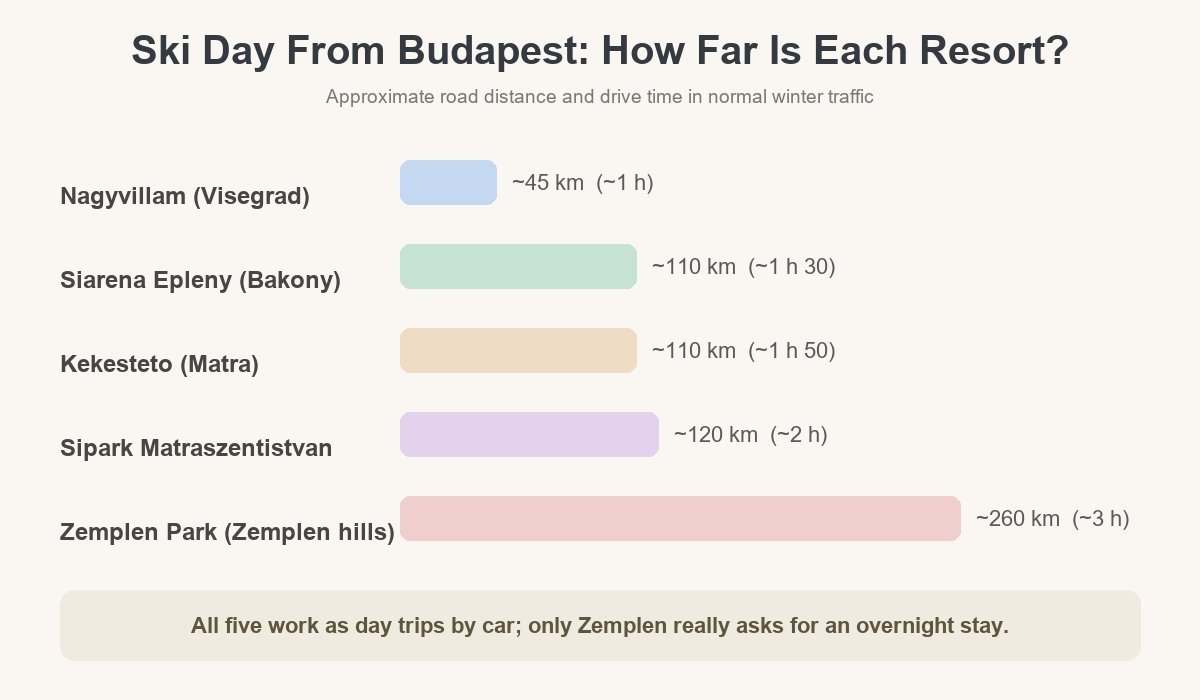
The practical pattern is simple: leave the city by about 7:30, ski from opening, and head home when the slopes get crowded and soft after lunch. Night-skiing evenings at Eplény invert that, with locals arriving after work.
When to Skip Hungary for the Alps
If you want long descents, real vertical, or more than two days of skiing, drive past the Hungarian hills. Austrian resorts like Semmering and Stuhleck sit about three hours from Budapest, and Slovakia’s Tatras are a similar run.
Intermediate and better skiers exhaust Hungary’s most interesting terrain before lunch. For them, the honest math says the extra hour of driving buys ten times the mountain.
The people who should ignore that math are beginners, parents with small kids, and anyone who wants to try skiing once without committing a weekend to it.
FAQ
Can you actually ski in Hungary?
Yes. Hungary has about 15 lift-served ski areas, mostly in the Mátra and Bakony hills, with groomed snowmaking-covered runs operating from roughly mid-December to late February.
Think small local hills rather than mountain resorts, and the country delivers exactly what it promises.
What is the best ski resort in Hungary?
Síaréna Eplény is the best resort for most visitors, with about 8 km of slopes, 9 lifts, and the country’s largest night-skiing operation roughly 30 minutes from Veszprém.
Pick Kékestető instead if you want the cheapest pass and the best odds of natural snow.
How much does skiing in Hungary cost?
Day passes for skiing in Hungary cost roughly €17 to €42 depending on the resort, and gear rental adds around €15 to €25 per day.
A full beginner day, pass, rental, and food included usually stays under €80, which is hard to match anywhere in the Alps.
Is there night skiing in Hungary?
Yes. Síaréna Eplény lights more than 4 kilometres of slopes for evening skiing, and several smaller areas, including Mátraszentistván, run floodlit sessions on select nights.
Evening passes cost less than day passes, which makes after-work laps a genuinely local habit.
Judge Hungarian skiing by what it charges, not by what the Alps look like. Around €20 to €40 buys you practice turns, floodlit evenings, and a snow day that started with breakfast at home, and on those terms these little hills are a fair deal.